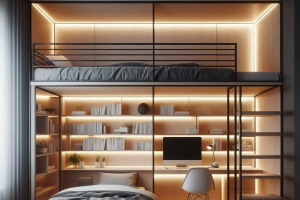
Let’s talk about making that bunk room a bit more special for the kids, specifically when it comes to lighting.
Lighting Up Their Space: The Key to a Cozy Bunk Room
So, you’ve got a bunk room, and you’re wondering about the lighting. The short answer is: personalized lighting in a kids’ bunk room isn’t just about making it look nice; it’s about creating a functional, safe, and fun environment that caters to their specific needs and personalities. Think about it – they’re not just sleeping there; they’re playing, reading, maybe even doing a bit of homework or just hanging out. Tailoring the light can make a huge difference in how they experience their own little haven.
Why Bunk Room Lighting Needs a Different Approach
Bunk rooms often present unique challenges. Unlike a standard bedroom, you have multiple occupants, often with different schedules and preferences, all sharing one space. Plus, the multi-level nature of bunks means light distribution can be tricky. What works for the top bunk might be too dim for the bottom, or vice versa. Generic overhead lighting often ends up being too harsh or not reaching where it’s needed most. This is where personalization really comes into play. It’s about understanding who uses the room and how they use it, and then finding lighting solutions that make everyone happy and comfortable. It’s less about following a trend and more about creating a practical and enjoyable space for the kids.
Understanding the Needs of Each Bunk User
Before you even start thinking about specific lights, the most practical first step is to consider who is actually using each bunk. This sounds obvious, but it’s the foundation of personalization. Are we talking about toddlers who need a comforting glow, or older kids who want a reading lamp and maybe even some ambient mood lighting?
The Littlest Sleepers
For very young children, safety and comfort are paramount. The goal is to create a gentle, reassuring environment.
Soft Nightlights: More Than Just a Safety Net
Nightlights are a classic for a reason. They alleviate the fear of the dark and help little ones navigate their space without startling themselves or others.
- Plug-in vs. Battery Operated: Plug-in models are convenient and provide consistent light, but ensure they are placed where they won’t be a tripping hazard. Battery-operated ones offer more flexibility in placement but require regular battery checks.
- Adjustable Brightness: Look for nightlights with dimming capabilities. A super bright nightlight can be disruptive to sleep.
- Color Options: Some kids respond well to warm, amber tones, while others might find a soft blue or green more calming. Some lights even offer color-changing features, which can add a fun element.
- Placement is Key: Avoid placing nightlights directly above or too close to the sleeping area if the light is bright. A corner or a low-level placement along a wall is often ideal.
Gentle Ambient Glow: Setting a Sleepy Mood
Beyond just a nightlight, consider a very low-wattage lamp that provides a soft, diffused light throughout the room.
- Fairy Lights with Caution: While undeniably charming, standard plug-in fairy lights can be a hazard if they overheat or if children try to play with them. Opt for LED versions that stay cool and ensure they are securely fastened out of reach. Battery-operated, low-voltage strings are another option but require more maintenance.
- Salt Lamps (with supervision): These can provide a very warm, ambient glow. However, they do get warm to the touch, so they should be placed out of reach and supervised. Ensure they are on a stable surface.
- Dimmable Lamp: A small, floor-standing or tabletop lamp with a dimmer switch can be set to an extremely low setting for a subtle, overall illumination.
The Reading Enthusiasts
Older kids, and even some younger ones who are avid readers, will appreciate lighting that’s specifically designed for reading.
Task Lighting for Every Bunk
This is where you move from general ambient light to focused illumination.
- Adjustable Reading Lamps: These are a game-changer. They can be clipped onto the bunk frame, mounted on the wall, or be freestanding. The ability to direct the light exactly where needed is crucial.
- LED Options are Best: They are energy-efficient, long-lasting, and produce less heat, which is important when light is close to the user. Look for cool white or natural daylight bulbs for better reading clarity.
- Flexibility is Key: A gooseneck design or a lamp with multiple articulation points allows the child to position the light perfectly without disturbing their bunkmate.
- Consider the Switch Location: It’s a small detail, but a switch that’s easily accessible from the bunk itself is a lifesaver, especially when you’re sleepy.
Reducing Glare and Eye Strain
The quality of light matters for reading.
- Diffused Light Shades: Even for task lighting, a shade can help diffuse the light and prevent direct glare on the page or screen, which can cause eye strain.
- Avoid Harsh White Light for Extended Reading: While some prefer it for clarity, for longer reading sessions, a slightly warmer tone might be more comfortable. Experimentation is key.
The “Me Time” Zone Seekers
Some kids just want a little corner of their own, a place to listen to music, draw, or just chill. This calls for mood lighting.
Creating Ambiance with Color
Color can dramatically change the feel of a space.
- Smart Bulbs: These are incredibly versatile. You can change the color and brightness of the light remotely via an app. This allows kids to choose a color that suits their mood.
- Color-Changing LED Strips: These can be placed along the edges of shelves, under the bunks, or behind the headboard for a cool, modern effect. They often come with remote controls for easy selection.
- Experimentation is Encouraged: Let the kids play around with different colors and see what they like. A calming blue for winding down, a vibrant red for playtime, or a soft green for a natural feel.
Subtle Accents for a Personal Touch
It’s not always about bright colors; sometimes subtle touches make a big difference.
- Small Accent Lights: Think about small, directional spotlights that can highlight a favorite poster or piece of art.
- Dimmer Switches on General Lighting: If you have a main overhead light, ensure it has a dimmer. This allows for a softer overall glow when the kids are just relaxing.
Practical Considerations for Bunk Room Lighting
Beyond the fun and the functionality for the kids, there are some very real practicalities to consider when lighting a bunk room. Safety, energy efficiency, and ease of maintenance are all crucial.
Safety First: Avoiding Hazards
This is non-negotiable, especially with children.
Electrical Safety and Cord Management
- Avoid Overcrowding Outlets: Ensure you’re not overloading circuits, especially with multiple lamps and chargers. Consider a power strip with surge protection.
- Secure Cords: Dangling cords can be a tripping hazard or a temptation for little ones to play with. Use cord clips or sleeves to keep them neatly tucked away.
- Professional Installation for Built-in Fixtures: If you’re installing any permanent fixtures, like wall-mounted sconces or integrated LED strips, it’s always best to have them installed by a qualified electrician.
- Low Voltage Options: Whenever possible, opt for low-voltage lighting solutions, especially for things like LED strips or fairy lights.
Heat and Fire Safety
- LED is Your Friend: As mentioned before, LEDs produce very little heat. This is crucial when lights are close to bedding or curtains.
- Keep Lights Away from Flammable Materials: Even with cool-running LEDs, it’s good practice to maintain some distance between light fixtures and anything that could be flammable, like blankets, pillows, or posters.
- Avoid Lamps with Hot Bulbs: If you’re using older-style incandescent bulbs, be extra cautious and ensure they are in well-ventilated fixtures and not touching anything.
Energy Efficiency and Longevity
Making smart choices now can save money and hassle later.
The Benefits of LED Technology
- Lower Energy Consumption: LEDs use significantly less electricity than traditional bulbs, which translates to lower energy bills.
- Longer Lifespan: You’ll be replacing bulbs far less often, saving you time and money on replacements.
- Durability: LEDs are more robust than fragile incandescent bulbs, making them a better choice for active environments.
- Variety of Color Temperatures: You can get LEDs in a range of colors, from warm white to cool daylight, to suit different moods and tasks.
Smart Lighting Features: Beyond the Basics
- Timers: Many smart bulbs and light strips have built-in timers. You can set them to turn off automatically after a certain period, which is great for helping kids wind down without leaving lights on all night.
- Motion Sensors (with caveats): While motion-sensing lights can be useful for hallways or entryways, they might not be ideal inside a bunk room where constant movement can trigger them unnecessarily. However, a very subtly placed motion sensor that only activates when someone enters the room could be considered.
- App Control: The ability to control lights from a smartphone or tablet offers unparalleled flexibility. It’s convenient for parents and fun for kids.
Maintenance and Accessibility
Think about who will be changing the bulbs and cleaning the fixtures.
Easy Bulb Replacement
- Accessible Fixtures: If you’re using bulbs that need occasional replacement, ensure the fixtures are easy to reach. This might mean using step stools or ladders for higher fixtures.
- Consider Integrated LEDs: Many modern light fixtures have integrated LEDs that last for the life of the fixture. While this means no bulb changes, it also means the entire fixture needs replacing if the LED fails.
Cleaning and Dusting
- Simple Designs: Opt for fixtures that are easy to wipe down. Intricate designs can trap dust and be difficult to clean.
- Regular Check-ups: Dust can accumulate on light fixtures, potentially affecting their performance and even posing a slight fire risk. A quick dusting every few months is usually sufficient.
Integrating Lighting with the Room’s Decor
Lighting shouldn’t just be functional; it should complement the overall aesthetic of the bunk room. This is where personalization really shines.
Matching the Theme and Colors
Consider the existing decor when choosing your lighting.
Subtle Integration vs. Statement Pieces
- Subtle: If the room has a strong theme (e.g., nautical, forest), you might choose light fixtures that blend in. Think rope-like accents for a nautical theme or wood-toned fixtures for a forest theme.
- Statement: Alternatively, a fun, themed light fixture can be a focal point. A ship’s lantern style light, or a whimsical animal-shaped lamp, can add character.
Complementing Color Schemes
- Warm vs. Cool Tones: If the room is decorated in warm colors (reds, oranges, yellows), warm-toned lighting (lower Kelvin numbers) will enhance that feeling. For cooler color schemes (blues, greens, purples), cooler white light (higher Kelvin numbers) or even colored ambient lighting can work well.
- Accent Colors: Use lighting to highlight accent colors in the room, like a small spotlight on a colorful rug or a collection of colorful toy bins.
Wall and Ceiling Fixtures: Beyond the Basic Bulb
There are many options beyond just a central ceiling light.
Wall Sconces: Adding Dimension and Task Lighting
- Space-Saving: Wall sconces are excellent for bunk rooms as they don’t take up floor space.
- Versatile Placement: They can be installed above each bunk for dedicated reading light, or placed strategically around the room for ambient lighting.
- Style Options: From modern minimalist designs to more decorative choices, sconces can add a significant design element.
Pendant Lights: Fun and Functional Accents
- Above Beds: A small pendant light hanging above the head of each bunk can provide a stylish and functional reading light.
- Over a Table or Play Area: If there’s a desk or a play table, a pendant light can illuminate that specific zone.
- Consider Height: Ensure pendant lights are hung at a safe height, especially if the room has lower ceilings or if children might bump their heads.
Recessed Lighting: Clean and Modern
- Subtle Illumination: Recessed lights (downlights) offer a clean, modern look and provide good general illumination.
- Strategic Placement: They are best used for general room lighting and should be supplemented with task lighting for reading.
- Consider Dimming: Always opt for dimmable recessed lights in a kids’ room so you can control the intensity.
Adding Personal Touches with DIY and Creative Solutions
Sometimes, the most memorable lighting comes from a bit of creative effort.
Custom Lampshades
- Get the Kids Involved: Let children decorate plain lampshades with fabric paint, stencils, or even attach cutouts of their favorite characters.
- Fabric Wraps: Simply wrap plain lampshades in a fabric that matches the room’s decor.
Light-Up Decor Items
- Marquee Letters: Light-up letter signs spelling out names or fun words can be a great addition.
- Themed Lamps: Look for lamps shaped like animals, vehicles, or characters that the kids love.
- DIY Light Boxes: Create simple light boxes with translucent panels displaying drawings or patterns.
Designing for Different Age Groups and Needs Within the Same Room
The real art of personalized bunk room lighting is balancing the diverse needs within a single space.
Collaborative Lighting Solutions: Compromise is Key
When multiple children share a space, their preferences might not always align perfectly.
Shared vs. Individual Control
- Overhead Lights: These are usually a shared resource, so dimmable options with an accessible switch are the best compromise.
- Individual Task Lights: Allowing each bunk to have its own adjustable reading lamp gives each child autonomy over their personal lighting needs.
- Ambient Mood Lighting: Smart bulbs or LED strips that can be controlled individually by app or remote offer the most flexibility for creating different moods in the same room.
Setting “Quiet Zones” with Light
- Designated Reading Nooks: If space allows, use a directional light to create a cozy reading nook for one child, without disturbing others.
- Dimmed Areas: Even without specific fixtures, strategically dimming certain areas can signal a time for quiet activity.
The Evolution of Lighting Needs
A child’s relationship with light changes as they grow.
From Nightlights to Night Owls
- Toddlers: Focus on soft, comforting nightlights and gentle ambient glows.
- Young Children: Introduce adjustable reading lights and perhaps some fun, colorful mood lighting.
- Tweens and Teens: They might want more sophisticated control, dedicated task lighting for studying, and the ability to create specific atmospheres for socializing or relaxation.
Future-Proofing Your Choices
- Modular Systems: Consider lighting systems that can be easily adapted. For example, LED strips can be cut to size, and smart bulbs can be reprogrammed.
- Adjustable Fixtures: Lights with adjustable arms or heads are always a good investment as they can be repositioned as needs change.
Making the Most of Natural Light
While we’re focusing on artificial lighting, never underestimate the power of natural light.
Maximizing Daylight
- Window Treatments: Use curtains or blinds that can be easily adjusted to control the amount of natural light entering the room. Blackout blinds are great for sleep, while sheer curtains can diffuse bright sunlight.
- Mirrors: Strategically placed mirrors can help reflect and amplify natural light, making the room feel brighter and more spacious.
- Clear Clutter: Keeping windowsills and the areas around windows clear of clutter will allow more light to penetrate the room.
Using Light to Enhance the Space
- Creating Zones: Natural light can help define different areas within the bunk room. For instance, a well-lit corner near a window could become the perfect spot for daytime reading or drawing.
- Boosting Mood: Sunlight is a natural mood booster, so maximizing its presence can contribute to a more positive and energetic environment.
By taking a thoughtful and personalized approach, you can transform a standard bunk room into a functional, comfortable, and inspiring space that your kids will love. It’s about understanding their individual needs and preferences, and then using lighting to create an environment that supports their growth, play, and rest.