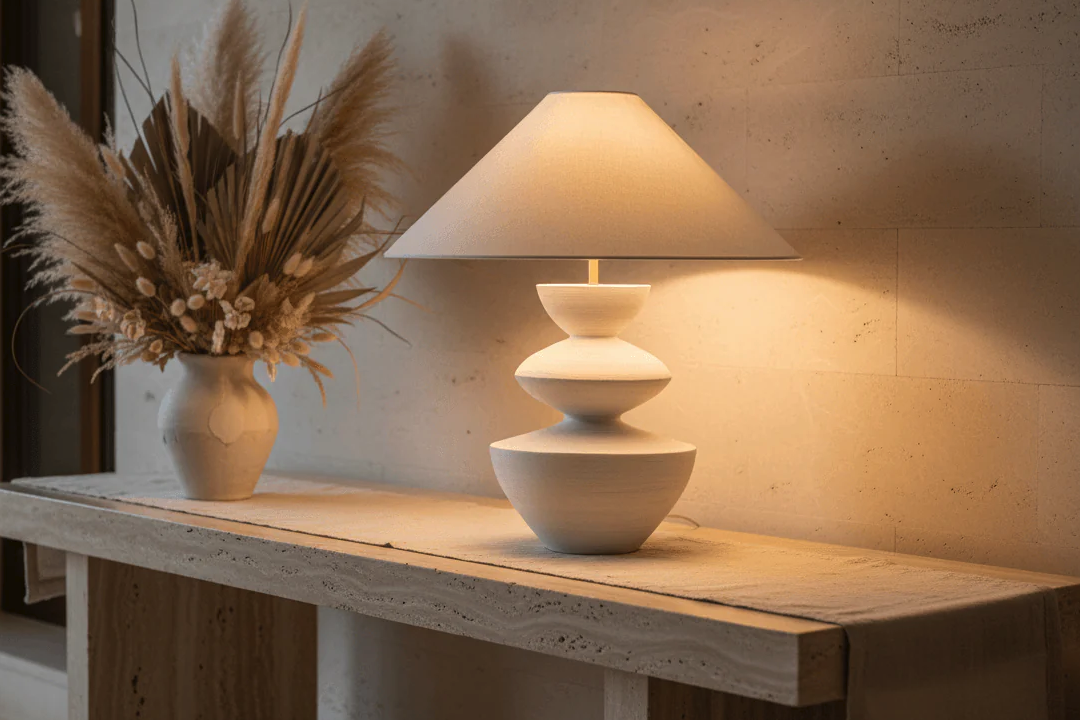
Let’s talk about bringing a little bit of that perfectly imperfect beauty into your home, specifically through a coarse pottery ceramic table lamp. If you’re wondering what wabi-sabi in a lamp might look like and why you’d want one, the short answer is: it’s about embracing the charm of natural materials, subtle imperfections, and a sense of history that mass-produced items just can’t replicate. These lamps offer a warm, grounded aesthetic that can make a space feel more authentic and lived-in.
When we talk about wabi-sabi in pottery, we’re really talking about an aesthetic philosophy originating from Japan. It’s not about perfect symmetry or flawless surfaces. Instead, it celebrates the beauty found in imperfection, transience, and the natural cycle of growth and decay.
The Core Principles of Wabi-Sabi
Think of it as appreciating the cracks in an old teacup, the unevenness of hand-thrown clay, or the subtle color variations that occur during firing. Wabi-sabi finds beauty in:
- Imperfection: No two pieces are exactly alike. Slight wobbles, subtle glaze drips, or a texture that isn’t perfectly uniform are seen as adding character, not detracting from the piece.
- Simplicity: Wabi-sabi favors understated forms and natural palettes. It’s a rejection of ostentatious decoration in favor of honest material expression.
- Asymmetry: Perfect balance isn’t the goal. Asymmetrical elements often feel more natural and dynamic, mirroring the way things are in the natural world.
- Modesty: It’s about quiet beauty, not bold statements. The pieces tend to be understated and designed to be appreciated up close.
- Naturalness: The materials themselves are central. The texture of the clay, the way the glaze settles, and the natural variations from the firing process are embraced.
How It Translates to Pottery
In ceramic pottery, wabi-sabi means you’re likely to encounter:
- Hand-thrown or hand-finished pieces: Even if originally made on a wheel, there’s often evidence of the maker’s hand.
- Earthy textures: Think rougher clay bodies, visible grog (small particles in the clay), or textured surfaces that feel tactile and grounded.
- Natural glazes: Glazes might be matte, subtly variegated, or show fascinating crawling or crackling effects that happen naturally in the kiln. Colors are typically muted – think earthy browns, greens, grays, and off-whites.
- Slight irregularities: These could be minor variations in form, minor chips that look like they’ve aged naturally, or subtle differences in color depth.
Designing with a Coarse Pottery Ceramic Table Lamp
Bringing a lamp Vopdesign like this into your home isn’t just about adding light; it’s about adding a piece of art that tells a story. The “coarse pottery” aspect emphasizes the tactile and visible texture of the clay, making it a focal point even when the light is off.
Finding the Right Spot
The beauty of a wabi-sabi lamp lies in its versatility, but some locations allow its character to truly shine:
- Bedside table: A coarse ceramic lamp can create a very tranquil and grounding atmosphere for winding down. The textured base adds visual interest without being distracting.
- Console table in an entryway: It’s an inviting first impression, offering a warm welcome and a touch of unique artistry as guests arrive.
- Side table in a living room: It can anchor a seating area, providing ambient light and a focal point that encourages conversation.
- Home office desk: The natural, unfussy aesthetic can help create a focused yet calming workspace.
Complementing Your Decor
While these lamps have a distinct style, they are surprisingly adaptable:
- Minimalist interiors: They offer a grounding element and organic texture that prevents stark minimalism from feeling cold.
- Bohemian or eclectic spaces: They fit right in, adding to the layered, collected feel.
- Transitional styles: They can soften more traditional or modern elements, adding warmth and a handmade touch.
- Japandi (Japanese-Scandinavian) design: This is where they often feel most at home, blending the simplicity of Scandinavian design with the natural, imperfect beauty of wabi-sabi.
Here, think about pairing the lamp with natural wood furniture, linen textiles, and other natural materials. Avoid overly polished surfaces or highly synthetic materials if you want the wabi-sabi aesthetic to sing.
The Tactile Experience and Visual Appeal
What sets “coarse pottery” apart is its palpable texture. It’s not just something you look at; it’s something you want to reach out and touch. This tactile quality is a key part of the wabi-sabi appeal.
More Than Just a Light Source
A coarse pottery lamp is an object with presence. Its weight and texture convey a sense of solidity and craftsmanship.
- The feel of the clay: Imagine running your hand over a lamp with a visibly textured, unglazed or matte-glazed surface. It might feel slightly rough, organic, and full of character. This is a far cry from the smooth, uniform feel of mass-produced plastic or highly finished ceramic.
- Visible craftsmanship: You can often see the marks of the potter’s hands – subtle finger marks, variations in the thickness of the clay, or the way the clay has been shaped. These are not flaws; they are badges of honor, testament to the human touch involved in its creation.
- The beauty of the imperfect surface: A slightly uneven surface, a small pit, or a subtle ripple in the glaze can be incredibly captivating. These elements make each lamp unique and tell a story of its making and its journey.
How the Light Interacts with Texture
The way the light plays off the textured surface of the lamp is a significant part of its charm.
- Warm and diffused glow: Coarse pottery often results in a more matte finish, which naturally diffuses light beautifully. This creates a softer, more inviting ambiance compared to lamps with highly reflective surfaces.
- Shadow play: The textured surfaces and subtle irregularities can create interesting, gentle shadow patterns on the lamp itself and to a lesser extent, the surrounding area. This adds depth and visual interest, especially in the evening.
- Highlighting material: The texture draws attention to the raw nature of the clay. You can almost feel the earthiness of the material, enhanced by the way light catches the raised or recessed areas of the surface.
Materiality and Natural Imperfections
The very essence of a wabi-sabi lamp, especially one made from coarse pottery, lies in its honest materiality and the acceptance of its inherent imperfections.
Embracing the Clay
The foundational element of your lamp is the clay. Its natural characteristics are what give it its wabi-sabi soul.
- Earthy tones: The raw clay itself usually possesses rich, earthy hues – think unbleached linen, warm sand, or muted terracotta. These colors are inherently calming and connect the lamp to the natural world.
- Visible grog and texture: Many coarse pottery pieces intentionally include grog – small particles of fired clay mixed into the wet clay. This adds significant texture, creating a wonderfully tactile and visually interesting surface. It makes the lamp feel more robust and handcrafted.
- Subtle color variations: Even within the same batch of clay, there can be minute differences in color. These variations, especially visible in unglazed areas or where the glaze is thin, contribute to the unique character of each lamp.
The Art of Imperfection in Glazes
Glazes are where a lot of the magic – and the wabi-sabi charm – happens. They are inherently unpredictable, and this is celebrated.
- Matte and understated finishes: Coarse pottery lamps often feature matte or satin glazes rather than high-gloss ones. This lends a sophisticated understatement and allows the texture of the clay to remain prominent.
- Crawling and crackling: These are often desirable effects in wabi-sabi pottery.
- Crawling: This happens when the glaze pulls away from certain areas during firing, exposing the clay body underneath. It can create interesting patterns and a sense of age.
- Crackling (or crazing): This refers to the fine network of cracks that can appear in a glaze. It’s often deliberately induced and adds a delicate, antique feel.
- Glaze pooling and thinning: Where glaze pools, the color can become richer and deeper. Where it thins, the underlying clay color and texture show through. These variations create a dynamic and visually engaging surface.
- “Imperfections” as features: A slight drip of glaze down the side, a small bubble, or a pinprick hole are not mistakes but rather elements that make the lamp unique and highlight the process of its creation. They tell a story of the kiln, the heat, and the firing.
Sustainability and Longevity
The wabi-sabi philosophy naturally aligns with principles of sustainability – focusing on longevity, natural materials, and appreciating what we have.
Built to Last, Designed to Age
The robust nature of coarse pottery combined with the philosophy of embracing age means these lamps are designed for endurance and character.
- Durable materials: Coarse clay, often fired at high temperatures, creates a strong and durable ceramic body. These lamps are less prone to chipping or breaking compared to finer, more delicate ceramics.
- Timeless design: The aesthetic of wabi-sabi is inherently timeless. It doesn’t follow fleeting trends. A well-made coarse pottery lamp can remain a cherished piece in your home for decades, its character deepening with age.
- Repairability: In many cases, minor chips or imperfections are simply accepted as part of the piece’s journey. For more significant repairs, traditional techniques can often be employed, further extending the lamp’s life.
A Conscious Choice
Choosing a lamp of this nature is often a more mindful consumer decision.
- Reduced waste: By opting for a durable, handcrafted item designed to last, you’re contributing to a less disposable culture.
- Supporting artisans: Many coarse pottery pieces are made by individual artisans or small workshops, supporting traditional craft and skill. This is a more ethical and often more sustainable choice than mass-produced goods.
- Connection to nature: The use of natural clay and earthy glazes connects us to the earth. It’s an antidote to the often sterile and artificial materials found in many modern products.
Integrating into Your Home’s Ambiance
A coarse pottery ceramic table lamp isn’t just a piece of furniture; it’s an element that shapes the feeling and atmosphere of a room. Its unique qualities invite a specific kind of interaction.
Creating a Calming and Grounded Space
The inherent qualities of wabi-sabi materials lend themselves to creating a serene environment.
- Soothing light: The matte, earthy surfaces diffuse light gently, creating a warm, inviting glow that’s perfect for relaxation. This is ideal for bedrooms, reading nooks, or spaces where you want to unwind.
- Textural richness: The tactile nature adds a layer of sensory richness to a room, making it feel more complex and inviting. It encourages a slower, more appreciative approach to your surroundings.
- Organic flow: The subtle asymmetry and natural irregularities mimic the forms found in nature, helping to create a sense of organic flow and balance within your interior design.
The Lamp as a Statement Piece of Subtle Art
Rather than a loud declaration, think of it as a quiet, confident statement.
- Focus on material honesty: Its beauty comes from the material itself and the marks of its creation, not from applied ornamentation. This inherent authenticity is deeply appealing.
- Inviting contemplation: The subtle imperfections and variations can be a gentle reminder to find beauty in the everyday and to appreciate the transient nature of things. It can be a quiet prompt for mindfulness.
- A conversation starter (if you wish): While not overtly designed to be a talking point, its uniqueness and connection to a philosophical aesthetic can spark curiosity and lead to deeper conversations about design, art, and personal style.
Choosing a coarse pottery ceramic table lamp is an investment in a piece that offers more than just illumination. It’s an embrace of imperfection, a connection to natural materials, and a way to infuse your home with a sense of quiet, enduring beauty. It’s about creating a space that feels not just decorated, but truly lived in and loved.