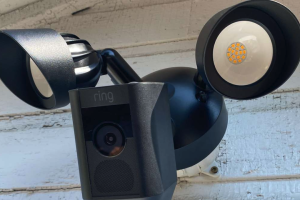
Thinking about adding motion sensor lights but wondering what they’ll set you back? Generally, you can expect to pay anywhere from $15 for a basic, battery-powered indoor model to over $200 for advanced, solar-powered outdoor floodlights with smart features. The price tag really depends on a few key things: where you’re putting it (indoor vs. outdoor), how it’s powered (battery, solar, wired), its brightness, and any extra bells and whistles like smart home integration. We’re going to break down all these factors to help you figure out what you need and how to get the most bang for your buck.
Understanding Motion Sensor Light Types and Their Cost Implications
Before we dive into specific price ranges, it’s helpful to understand the different categories of motion sensor lights, as each type naturally comes with its own cost structure. Knowing these distinctions will significantly help in narrowing down your budget and expectations.
Indoor Motion Sensor Lights
These are typically smaller, less bright, and designed for convenience and safety within your home. Think of lights for closets, pantries, hallways, or under cabinets.
Battery-Operated Indoor Lights
These are often the most affordable entry point. They’re super easy to install since there’s no wiring involved – just stick them up or mount them.
- Price Range: Generally $10 – $40.
- Key Factors: The number of LEDs, the type of batteries (AA/AAA vs. rechargeable built-in), and any magnetic mounting options or basic dimming features.
- Budget Sweet Spot: For a basic 3-pack of puck lights or a single strip light, you’ll often find good options in the $15-$25 range.
Plug-In Indoor Lights
These connect directly to an outlet, offering continuous power without battery changes. They’re common for nightlights or larger area lighting where an outlet is readily available.
- Price Range: Typically $15 – $60.
- Key Factors: Brightness (lumens), design (some are quite decorative), and sensor sensitivity. Some higher-end models might offer color temperature adjustments.
- Budget Sweet Spot: A reliable plug-in nightlight with motion sensing is usually $20-$35.
Hardwired Indoor Lights
Less common for pure motion sensing, but some indoor wall sconces or ceiling fixtures can be integrated with motion sensors. These require electrical wiring and often professional installation.
- Price Range: Fixture alone $30 – $150+. Installation costs extra.
- Key Factors: Aesthetic design, material quality, and compatibility with standard junction boxes.
- Budget Sweet Spot: If you’re looking for an integrated solution, a good quality fixture might start around $50-$70, not including installation.
Outdoor Motion Sensor Lights
These are designed to withstand the elements, offer significantly higher brightness, and often come with more robust features for security and illumination.
Battery-Operated Outdoor Lights
While less common for primary security lighting due to battery drain, these are great for accent lighting, sheds, or temporary solutions where wiring isn’t feasible.
- Price Range: $20 – $70.
- Key Factors: IP weatherproof rating (e.g., IP44, IP65), brightness, and size of the battery pack.
- Budget Sweet Spot: For a small, decent quality weatherproof spotlight, aim for $25-$45.
Solar-Powered Outdoor Lights
These are a fantastic option for energy savings and ease of installation, especially in areas with good sun exposure. They charge during the day and activate at night.
- Price Range: $25 – $150.
- Key Factors: Size of the solar panel, capacity of the built-in battery, number of LEDs, beam angle, and durability of materials. Higher lumen output almost always means a higher price.
- Budget Sweet Spot: A good quality solar floodlight with decent brightness starts around $40-$70. For more advanced options with split panels or wider coverage, expect to pay $80-$120.
Hardwired Outdoor Lights
These are the most reliable and brightest options, providing consistent power without worrying about batteries or sunlight. They require connection to your home’s electrical system.
- Price Range: Fixture alone $40 – $250+. Installation costs can vary widely.
- Key Factors: Lumen output (brightness), number of light heads (single, double, triple), build quality (metal vs. plastic), detection range, and adjustability. Smart features significantly increase the price.
- Budget Sweet Spot: A solid, dual-head LED floodlight with a good motion sensor can be found for $60-$100. If you’re looking at smart integration or very high lumen counts, the price will easily exceed $150.
Key Features That Drive Up the Price
Beyond the basic type of light, certain features significantly impact the final cost. Understanding which of these are “must-haves” and which are “nice-to-haves” will help you stay within your budget.
Brightness (Lumens)
This is perhaps the most straightforward correlation: more lumens almost always means a higher price, especially for outdoor lights.
- Low Brightness (10-100 lumens): Common for indoor nightlights or small accent lights. Very affordable.
- Medium Brightness (300-1000 lumens): Good for pathway lighting, sheds, or smaller outdoor areas. Moderate pricing.
- High Brightness (1500-5000+ lumens): Essential for security floodlights covering large areas. These are at the higher end of the price spectrum. Expect to pay more for lights offering 2000+ lumens.
Detection Range and Angle
A wider detection range (how far the sensor can “see”) and a broader detection angle (how wide it can “see”) usually indicate a more sophisticated sensor, which adds to the cost.
- Basic (10-20 feet, 90-120 degrees): Found on most entry-level indoor and some outdoor lights.
- Mid-Range (30-50 feet, 180 degrees): Common for general outdoor security lights.
- Advanced (70+ feet, 270 degrees): For extensive coverage, often found on high-end hardwired floodlights. These sensors are designed to minimize false triggers while maximizing coverage, a technology that costs more.
Adjustability (Sensitivity, Time, Lux)
The ability to fine-tune your light’s behavior is a major convenience and often a sign of better quality.
- Sensitivity: How easily the sensor is triggered (e.g., by a small animal vs. a person).
- Time Delay: How long the light stays on after motion is detected (e.g., 30 seconds to 10 minutes).
- Lux Sensor (Daylight Sensor): Determines when the light should operate based on ambient light levels (e.g., only turn on at night).
- Cost Impact: Lights with individual dials or app-based controls for these settings will be more expensive than those with fixed settings or simple switches. Expect to pay an extra $10-$30 for these features on mid-range lights.
Power Source and Efficiency
As discussed, different power sources have different cost implications, but efficiency within those sources also matters.
- LED Technology: Almost all modern motion sensor lights use LEDs because they are energy-efficient and long-lasting. However, the quality of the LED chips and drivers can vary, impacting brightness consistency and longevity. Higher-quality LEDs mean higher upfront costs but lower long-term running costs.
- Battery Quality: For battery-powered units, the type of battery (standard replaceable vs. integrated rechargeable lithium-ion) affects price. Integrated, higher-capacity rechargeable batteries increase the cost.
- Solar Panel Efficiency: For solar lights, the size and efficiency of the solar panel, as well as the capacity of the internal battery, directly influence charging speed and runtime. More efficient panels and larger batteries mean higher prices.
Durability and Weatherproofing (IP Rating)
For outdoor lights, the ability to withstand rain, dust, and temperature extremes is critical.
- IP Rating: An Ingress Protection (IP) rating indicates how well a fixture is sealed against solids and liquids.
- IP44: Splash resistant. Good for sheltered outdoor areas.
- IP65: Dust tight and protected against water jets. Standard for most outdoor use.
- IP66/IP67: Higher protection for very harsh conditions.
- Materials: Lights made from durable metals (like aluminum) or high-grade, UV-resistant plastics will cost more than cheaper plastics but will last longer.
- Cost Impact: A higher IP rating and robust build quality can add $15-$50 to the price of an outdoor light.
Smart Features and Connectivity
This is where prices can jump significantly. Smart motion sensor lights offer integration with home automation systems.
- Wi-Fi/Bluetooth Connectivity: Allows control via a smartphone app.
- Integration with Smart Hubs: Works with platforms like Amazon Alexa, Google Assistant, Apple HomeKit, or SmartThings.
- Advanced Features: Scheduling, remote control, custom automation rules (e.g., “turn on floodlight AND porch light if motion is detected after 9 PM”), and sometimes even built-in cameras or sirens.
- Cost Impact: A basic smart motion sensor light might start around $50-$80, but for integrated floodlights with cameras, you’re easily looking at $150-$300+.
Budgeting Strategies for Motion Sensor Lights
Now that we’ve covered the different types and features, let’s talk about how to make smart budgeting decisions. It’s all about balancing your needs with what you’re willing to spend.
Define Your Needs Clearly
Before you even look at prices, write down exactly what you need the light to do.
- Where is it going? (Indoor closet, outdoor porch, driveway, shed?)
- What’s its primary purpose? (Convenience, security, accent lighting?)
- How bright does it need to be? (A nightlight is different from a security floodlight).
- What power source is available/preferred? (Outlet, good sun exposure, existing wiring?)
- Are smart features a necessity or a luxury? Be honest with yourself here.
Prioritize Features Based on Budget
Once you know your needs, decide which features are non-negotiable and which you can compromise on.
- High Priority (Security): For outdoor security, prioritize high lumens, durable construction, a wide detection range, and adjustability for time/sensitivity. You might need to spend more here.
- Medium Priority (Convenience/Accent): For indoor use or less critical outdoor areas, you can likely save on brightness and complex features. Battery-powered or basic plug-in options are perfect.
- Low Priority (Smart Features if Budget is Tight): While cool, smart integration significantly increases cost. If your budget is stretched, consider a non-smart light and add a separate smart switch or hub later if you absolutely need the functionality.
Consider Long-Term Costs
The initial purchase price isn’t the only cost.
- Battery Replacements: For non-rechargeable battery-powered lights, factor in the ongoing cost of AA/AAA batteries.
- Energy Consumption: While LEDs are efficient, very high-lumen hardwired lights will still use some electricity. Solar lights have zero running costs.
- Installation: Hardwired lights often require an electrician, adding to the overall cost. DIY installation of battery or solar lights saves money.
- DIY Potential: Most battery-operated and solar lights are designed for easy DIY installation, saving you anywhere from $50 to $200+ in labor costs compared to hiring an electrician for a hardwired unit.
- Professional Installation: If you’re not comfortable with electrical work, budget for an electrician, especially for outdoor hardwired floodlights. Get a few quotes as prices can vary widely by region and electrician.
Look for Deals and Bundles
Like any electronics, motion sensor lights go on sale regularly.
- Seasonal Sales: Black Friday, Cyber Monday, Amazon Prime Day, and other major holiday sales are excellent times to buy.
- Bundles: Some manufacturers offer multi-packs (e.g., 2-pack or 4-pack) at a lower per-unit cost than buying individually. This is great if you need several similar lights.
- Clearance/Refurbished: Check clearance sections or reputable refurbished programs from big retailers. Just ensure they come with a warranty.
Where to Buy and What to Look For
Knowing where to shop and what red flags to avoid can make a big difference in both price and quality.
Retailers and Online Stores
Different outlets cater to different needs and price points.
- Big Box Stores (Home Depot, Lowe’s, Walmart, Target): Great for a wide range of options from budget-friendly to mid-range. Good for in-person comparison and immediate purchase. Their store brands can sometimes offer good value.
- Online Marketplaces (Amazon, eBay, Temu, AliExpress): Unbeatable selection and often the lowest prices, especially for less known brands. Be cautious with quality and read reviews carefully.
- Caveat for Budget Online Marketplaces: While platforms like Temu and AliExpress offer incredibly low prices, be extra vigilant about product quality, longevity, and often non-existent customer support or warranties. These might be okay for very basic, temporary indoor solutions, but for critical outdoor security, it’s generally worth spending a bit more on a known brand.
- Specialty Lighting Stores: Usually have higher-end, more aesthetically pleasing, or highly specialized options. Prices will be higher, but so might quality and expert advice.
- Hardware Stores (Local Shops): May have a smaller selection but can offer personalized advice and local support.
What to Look For in Product Listings and Reviews
When you’re comparing options, especially online, pay attention to these details.
- Real Lumens, Not “Equivalent”: Some cheaper lights might advertise “equivalent” incandescent brightness. Look for the actual lumen count.
- Battery Capacity (mAh): For solar or rechargeable battery units, a higher mAh rating generally means longer runtime between charges.
- Sensor Type (PIR vs. Microwave):
- PIR (Passive Infrared): Most common. Detects heat and motion. Reliable but can be triggered by pets or heat sources.
- Microwave: More advanced, detects any movement, even through walls. More expensive and can have more false triggers if not configured properly.
- Warranty Information: A good warranty (1-3 years is common) provides peace of mind, especially for outdoor or higher-priced units.
- User Reviews: Always read reviews, specifically looking for comments on:
- Durability and Longevity: Does it last?
- False Triggers: Does it turn on too often for no reason?
- Battery Life: For battery/solar units, how often do batteries need changing or how well does the solar panel charge?
- Customer Service: How responsive is the seller/manufacturer if issues arise?
- Installation Difficulty: Are the instructions clear?
Beyond the Price Tag: Value and Longevity
While price is a major factor, the true cost of a motion sensor light also includes its performance, reliability, and lifespan. Sometimes, spending a little more upfront saves you headaches and money down the road.
The Cost of Cheap vs. Quality
It’s tempting to grab the cheapest option, but consider these points:
- Frequent Replacements: A very cheap light might fail after a few months, forcing you to buy another, effectively doubling your cost.
- Poor Performance: Inaccurate sensors, weak brightness, or short battery life can make the light ineffective for its intended purpose (e.g., security light that doesn’t deter).
- False Economy: If a solar light costs $20 but only lasts 3 hours on a full charge, is it really serving its purpose compared to a $50 light that lasts all night?
- DIY Frustration: Flimsy mounts, unclear instructions, or components that don’t fit together well can turn a simple installation into a frustrating ordeal.
Investing in Durability
For outdoor applications, especially, durability translates directly to value.
- Material Quality: Metal housings dissipate heat better and are more resistant to physical damage than thin plastic. UV-resistant plastics are crucial to prevent yellowing and brittleness over time.
- Sealing: Good gaskets and tight seals are essential to keep out moisture and dust, preventing internal corrosion and circuit failure. This is why higher IP ratings are worth the extra cost.
- Temperature Tolerance: Check if the light is rated for the extreme temperatures in your area, especially if you live in a region with very cold winters or hot summers.
The Value of Adjustability and Smart Features
While adding to the initial cost, adjustability and smart features can significantly enhance the user experience and overall value.
- Customization: Being able to fine-tune sensitivity means fewer false alarms from small animals and more targeted detection. Adjusting the “on-time” prevents wasted energy.
- Convenience: Remote control, scheduling, and integration with other smart devices offer a level of convenience and automation that basic lights simply can’t match. Imagine having your outdoor lights turn on automatically when your smart door lock unlocks after dark.
- Future-Proofing: While technology changes rapidly, investing in a reputable smart home ecosystem can mean your light will integrate better with future devices.
Ultimately, finding the “best deal” isn’t always about the lowest price. It’s about finding the motion sensor light that most effectively meets your specific needs, offers reliable performance, and provides good long-term value within your budget. By carefully considering the type, features, and purchasing strategies outlined here, you’ll be well-equipped to make an informed decision and illuminate your space intelligently.