
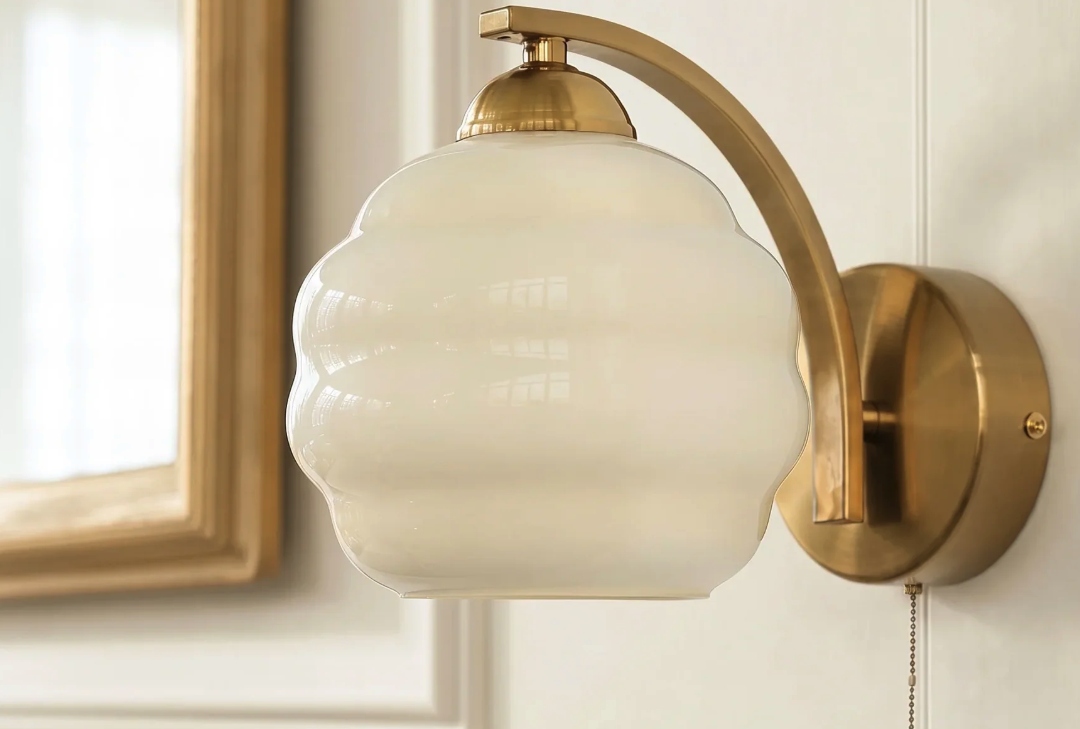
Thinking about updating your home’s lighting with something classic yet contemporary? Bauhaus milk glass lighting might be exactly what you’re looking for. It’s a fantastic way to blend timeless design with functional illumination, bringing a clean, sophisticated feel to any room without feeling stuffy or dated.
The Enduring Appeal of Milk Glass in Modern Homes
Milk glass, with its soft, diffused glow, has a unique ability to create a calming and inviting atmosphere. When paired with the functional, geometric aesthetics of the Bauhaus movement, it becomes a truly special lighting solution. This style isn’t just about looking good; it’s about smart design that prioritizes usability and clean lines, making it surprisingly versatile for today’s living spaces. Forget those stark, utilitarian ideas you might have; Bauhaus milk glass lighting Lightingstudioberkeley offers a warm, welcoming ambiance that can surprisingly elevate even the most modern interiors.
What Exactly is Bauhaus Milk Glass Lighting?
This style is a marriage of two distinct but complementary elements. The ‘Bauhaus’ part refers to the influential German art school that championed functionalism, simplicity, and mass production. Think clean lines, geometric shapes, and an absence of unnecessary ornamentation. The ‘milk glass’ is a type of opaque, opalescent glass, often white, that diffuses light beautifully, softening harshness and creating a gentle, even illumination. When these two come together, you get lighting fixtures that are both aesthetically pleasing and highly practical. They embody the Bauhaus principle of “form follows function,” where the design is dictated by its purpose, resulting in pieces that are both beautiful and incredibly effective at their job: lighting your space.
Why Choose Bauhaus Milk Glass for Your Modern Space?
It’s easy to get lost in the endless world of lighting trends, but Bauhaus milk glass offers a lasting appeal that transcends fads. Its understated elegance means it won’t overwhelm a room, instead providing a subtle yet impactful enhancement. For those who appreciate good design but also need their homes to feel comfortable and lived-in, this style strikes a perfect balance. It’s about intelligent design that enhances everyday life, and in lighting, that translates to a more pleasant and functional living environment.
The Bauhaus movement, originating in Germany in the early 20th century, was a radical departure from traditional artistic and design philosophies. Its impact is still felt today, particularly in architecture, furniture, and, of course, lighting. Understanding its core tenets helps explain why Bauhaus-inspired milk glass fixtures are so effective and enduring.
Functionality First: More Than Just a Pretty Glow
At the heart of Bauhaus was the idea that design should serve a purpose. This wasn’t about creating something purely decorative; it was about solving a problem or meeting a need in the most efficient and elegant way possible. For lighting, this meant fixtures that provided optimal illumination without being visually intrusive.
Efficiency in Illumination
Bauhaus designers were deeply interested in how light could be used to improve living and working environments. They explored how to direct light, diffuse it, and create different moods. With milk glass, the inherent diffusion properties align perfectly with this functionalist approach. Instead of a harsh spotlight, milk glass provides a gentle, consistent spread of light that reduces glare and makes spaces feel more comfortable.
Simplicity as a Virtue
Bauhaus rejected excessive ornamentation. Designs were stripped down to their essential elements, focusing on form and material. This minimalist approach is evident in Bauhaus milk glass lighting, where the beauty lies in the clean lines of the fixture and the quality of the diffused light, not in fussy details or elaborate patterns.
Geometric Forms: The Backbone of the Aesthetic
Bauhaus designers were fascinated by geometry. Circles, squares, and rectangles were the building blocks of their designs, offering a sense of order and balance. This is clearly visible in the shapes of Bauhaus milk glass lamps.
The Elegance of Simple Shapes
You’ll often find Bauhaus milk glass fixtures featuring spherical glass shades, cylindrical bases, or rectangular metal frames. These shapes are not only visually appealing but also contribute to the overall functionality. For instance, a perfectly round milk glass shade distributes light evenly in all directions.
Harmonious Proportions
The principles of proportion were key. Bauhaus designers sought to create a visual harmony where all elements of a design worked together seamlessly. This translates to lighting fixtures that feel balanced and well-proportioned within a room, not too imposing or too insignificant.
Material Honesty: Letting Materials Speak for Themselves
Bauhaus embraced modern materials and techniques, and they believed in showcasing the inherent qualities of these materials. Metal, glass, and wood were used in ways that highlighted their textures and strengths.
The Tactile Quality of Milk Glass
Milk glass itself has a unique tactile and visual quality. Its smooth, matte surface offers a gentle contrast to the often polished metal components of Bauhaus fixtures. The opacity of the glass is crucial to its diffused lighting effect, a testament to material intelligence.
Juxtaposition of Materials
Bauhaus designs often played with the interplay of different materials. You might see a smooth milk glass shade paired with a brushed nickel or black metal frame. This contrast adds depth and visual interest without resorting to unnecessary embellishment.
Practical Applications: Where to Use Bauhaus Milk Glass Lighting
The beauty of Bauhaus milk glass lighting is its versatility. It’s not confined to a specific room or style; its clean design makes it adaptable to a wide range of spaces and needs within your home. Think of it as a chameleon of the lighting world.
Enhancing Living Room Ambiance
In a living room, the goal is often to create a comfortable, inviting, and functional space for relaxation and socializing. Bauhaus milk glass fixtures can play a crucial role in achieving this.
Ambient Lighting Solutions
A central pendant light with a milk glass shade can provide excellent ambient light for the entire room. Its diffused glow creates a soft, welcoming atmosphere, perfect for unwinding after a long day or for hosting guests. Consider a ceiling fixture with a simple, geometric design that complements your sofa and coffee table.
Task Lighting for Reading Nooks
A floor lamp or a desk lamp with a milk glass shade can be ideal for creating a dedicated reading nook. The diffused light is easy on the eyes, reducing strain during extended reading sessions. The understated design ensures it won’t detract from the overall aesthetic of your living area.
Bringing Sophistication to Dining Areas
The dining room is another area where lighting plays a significant role, influencing the mood and enhancing the dining experience. Bauhaus milk glass can add a touch of refined elegance.
Over the Dining Table
A pendant light or a chandelier featuring milk glass shades positioned above your dining table can create a warm and intimate setting. The soft light enhances the colors of your food and creates an inviting atmosphere for meals. Look for fixtures with multiple shades for a more dramatic effect, or a single, larger shade for a minimalist statement.
Accent Lighting for Buffets and Sideboards
Small table lamps with milk glass bases and shades can add a touch of ambient light and sophistication to a sideboard or buffet. This creates a layered lighting effect, preventing the dining room from feeling too stark or one-dimensional.
Modernizing Kitchens and Breakfast Nooks
While kitchens often require bright, functional lighting, they don’t have to sacrifice style. Bauhaus milk glass offers a way to achieve both.
Functional Illumination for Food Preparation
Over kitchen islands or countertops, pendant lights with milk glass shades can provide excellent task lighting. The diffusion helps to eliminate shadows, making it easier to prepare food. The clean aesthetic complements modern kitchen cabinetry and appliances.
Cozy Breakfast Nook Lighting
For a small breakfast nook, a single pendant light or a small chandelier with milk glass shades can create a cozy and inviting spot for morning coffee or casual meals. The gentle light makes the space feel more intimate and less like a purely utilitarian area.
Creating a Serene Bedroom Atmosphere
Bedrooms are sanctuaries, and lighting should contribute to a sense of calm and relaxation. Bauhaus milk glass lighting is perfect for this.
Soft Bedside Illumination
Bedside lamps with milk glass shades are a classic choice. They provide just the right amount of light for reading in bed without being harsh. The soft glow also helps to create a tranquil atmosphere, conducive to sleep.
Gentle General Lighting
A flush-mount or semi-flush mount ceiling fixture with a milk glass dome can provide soft, even illumination for the entire bedroom. This is ideal for dressing or simply creating a peaceful ambiance. The simplicity of the design ensures it won’t feel intrusive in a personal space.
Choosing the Right Bauhaus Milk Glass Fixture for Your Home
With so many options available, selecting the perfect Bauhaus milk glass fixture might seem daunting. However, by considering a few key factors, you can make a choice that perfectly complements your space and your needs.
Scale and Proportion: Getting it Right
The size of your lighting fixture is crucial for both aesthetics and function. A fixture that is too large can overwhelm a room, while one that is too small can get lost.
Pendant Lights and Chandeliers
For larger spaces like living rooms or dining rooms, consider larger pendant lights or chandeliers with multiple milk glass shades. The scale should be in proportion to your furniture and the room’s overall dimensions. A good rule of thumb for dining tables is to have a fixture that’s about half to two-thirds the width of the table.
Table and Floor Lamps
For bedside tables or reading nooks, opt for smaller table lamps or slender floor lamps. Their scale should be proportionate to the furniture they are placed on or near. A lamp that is too tall for a nightstand can be visually awkward, and one that is too short might not provide adequate light.
Material Finishes: Complementing Your Decor
While the milk glass shade is a constant, the material of the fixture’s body can vary. Choosing the right finish is key to integrating the light into your existing decor.
Metal Finishes
Common metal finishes include brushed nickel, polished chrome, brass, and matte black.
- Brushed nickel and polished chrome offer a clean, modern look that works well with contemporary and minimalist interiors.
- Brass can add a touch of warmth and vintage charm, fitting well in transitional or more classic spaces.
- Matte black provides a bold, graphic statement and can anchor a space, working with a variety of styles.
Wood Accents
Some Bauhaus-inspired fixtures incorporate wood elements, often in darker tones like walnut or ebony. These can add a touch of natural warmth and texture, bridging the gap between modern and more traditional aesthetics.
Style Variations: From Utilitarian to Artistic
Bauhaus milk glass fixtures come in a surprisingly diverse range of styles, from purely functional to more artistic interpretations.
The Simple Dome
A classic choice, the simple dome-shaped milk glass shade offers widespread, diffused light. It’s incredibly versatile and fits almost anywhere.
Geometric Forms
Look for fixtures with clear geometric shapes – spherical shades, cylindrical diffusers, or shades with angular metal frameworks. These directly reflect Bauhaus principles.
Articulated Designs
Some fixtures feature articulated arms or adjustable shades, allowing you to direct light precisely where needed. This is a hallmark of functional design.
Integrating Bauhaus Milk Glass into Different Interior Design Styles
The often-understated nature of Bauhaus milk glass lighting allows it to blend surprisingly well with various interior design styles, offering a unique twist and enhancing the overall aesthetic rather than clashing with it.
Modern and Minimalist Interiors
This is perhaps the most natural fit. The clean lines and simplicity of Bauhaus design align perfectly with modern and minimalist aesthetics.
Enhancing Clean Lines
In a room with a lot of straight lines and uncluttered surfaces, a Bauhaus milk glass pendant light can act as a focal point without adding visual noise. Its geometric form and soft glow complement the minimalist philosophy.
Adding Softness to Starkness
While modern design can sometimes feel stark, the diffused light from milk glass introduces a welcome softness. It creates a warmer, more inviting atmosphere within a minimalist framework.
Mid-Century Modern Spaces
The mid-century modern era shares many design principles with Bauhaus, including a focus on functionality, organic shapes, and a blend of natural and man-made materials.
Complementary Aesthetics
Bauhaus milk glass lighting naturally complements the furniture and decor of a mid-century modern home. The geometric forms and the use of materials like metal and glass are harmonious with the era’s design sensibilities.
A Touch of Authentic Design
Adding a Bauhaus-inspired fixture can provide an authentic touch, bridging the gap between different mid-century design influences. It feels like a piece that could have been originally designed for the space.
Industrial-Chic Environments
The functional, often raw aesthetic of industrial design can be surprisingly enhanced by the soft diffusion of milk glass.
Balancing Hardness with Softness
Industrial spaces often feature exposed brick, metal, and concrete, which can feel quite hard. A milk glass pendant light provides a beautiful contrast, softening the overall look and feel of the space.
Adding a Vintage or Retro Feel
The milk glass itself can evoke a vintage or retro quality, adding depth and character to an industrial setting. It’s a way to incorporate a touch of history into a modern industrial design.
Transitional Decor
For those who appreciate a blend of old and new, transitional decor offers a lot of flexibility. Bauhaus milk glass can be a fantastic element in such spaces.
Bridging Traditional and Contemporary
Transitional style aims to blend traditional elements with contemporary ones. Bauhaus milk glass lighting, with its timeless design and functional appeal, acts as a perfect bridge, fitting seamlessly with both antique pieces and modern furniture.
Adding a Subtle Statement
In a transitional room, a Bauhaus milk glass fixture can serve as a subtle yet impactful statement piece. It introduces a touch of graphic design and functional elegance without being overly ostentatious.
Maintenance and Care for Your Milk Glass Lighting
Keeping your Bauhaus milk glass fixtures looking their best is generally straightforward, allowing you to enjoy their beauty and functionality for years to come.
Cleaning the Glass Shades
Milk glass is relatively easy to clean, but it’s important to use the right methods to avoid damage.
Gentle Cleaning Solutions
For routine cleaning, a soft, damp cloth is often sufficient. If there’s more stubborn grime or dust buildup, a mild, non-abrasive cleaner mixed with water can be used. Avoid harsh chemicals or abrasive scrubbers, as these can scratch or dull the surface of the glass.
Avoiding Streaks
To prevent streaks, wipe the glass dry with a clean, lint-free cloth after cleaning. For particularly shiny results, a touch of glass cleaner applied sparingly to the cloth (not directly to the fixture) can help.
Caring for Metal Components
The metal parts of your fixtures will require their own specific care depending on the finish.
Polished Metals (Chrome, Brass)
These can be polished with a soft cloth and a dedicated metal polish suitable for the specific material. Be sure to follow the manufacturer’s instructions for the polish.
Brushed Metals (Nickel, Steel)
Brushed finishes are more forgiving and generally require gentle cleaning with a damp cloth. Avoid aggressive polishing, which can remove the brushed texture. If there are scuffs, a very fine-grit polishing pad specifically designed for brushed metal might be used cautiously.
Matte Finishes (Black, Bronze)
These are often best cleaned with a damp cloth. Avoid abrasive cleaners, as they can scratch the matte surface and reveal the metal underneath. For tough spots, a mild soap solution can be used, followed by a thorough drying.
Electrical Safety and Bulb Replacement
Always prioritize safety when dealing with any electrical fixture.
Ensuring Power is Off
Before cleaning or changing a bulb, always turn off the power to the fixture at the switch and, if possible, at the circuit breaker.
Bulb Compatibility
Most milk glass fixtures will specify the type and wattage of bulbs they can accommodate. Ensure you use compatible bulbs to avoid overheating or damaging the fixture. LED bulbs are often a great choice as they are energy-efficient and produce less heat.
Professional Help
If you’re unsure about any aspect of maintenance or if a fixture seems damaged, it’s always best to consult a qualified electrician. They can offer guidance and ensure your lighting is safe and well-maintained.