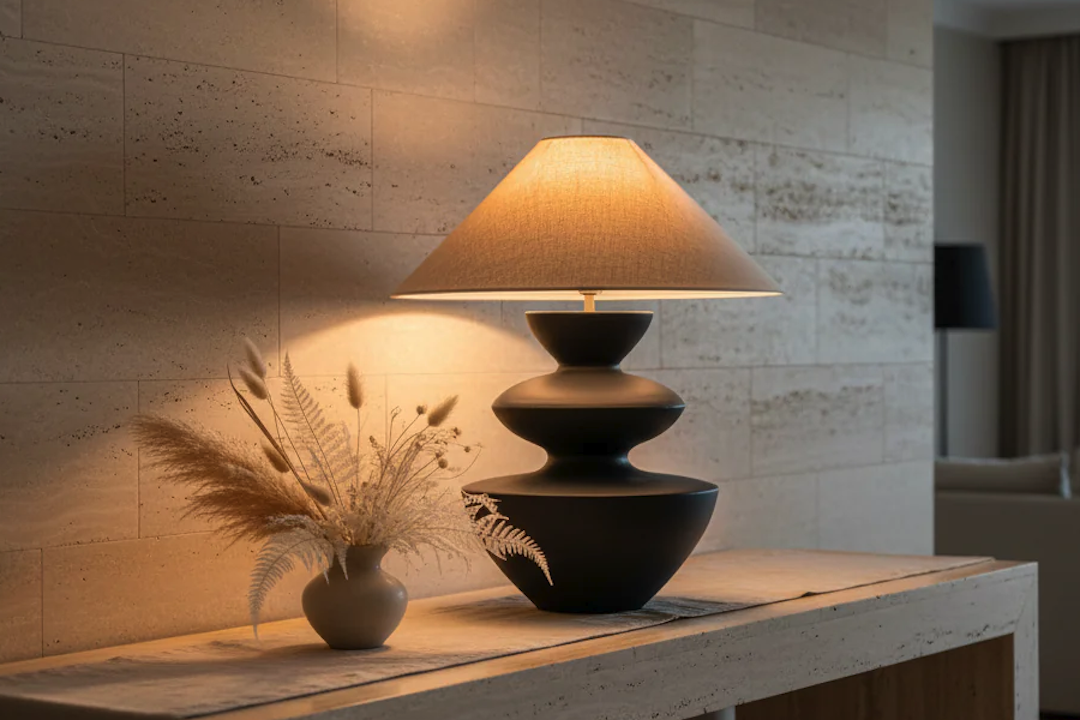
So, you’re wondering what a “Wabi-Sabi Handcrafted Ceramic Bedside Lamp” is all about? Simply put, it’s a lighting fixture for your bedside that celebrates the beauty of imperfection, transience, and natural materials, specifically using ceramics and made by hand, embodying the Japanese aesthetic of wabi-sabi. It’s not just a light; it’s a piece of art that tells a story, embraces subtle flaws, and brings a sense of calm and authenticity to your space.
Before we dive into the lamp Simiglighting itself, let’s get a clearer picture of wabi-sabi. It’s a Japanese philosophy and aesthetic that finds beauty in imperfection, incompleteness, and impermanence. It’s about appreciating the raw, the natural, the slightly worn, and the simple. Think of a perfectly symmetrical, factory-made item versus a slightly asymmetrical, hand-thrown pottery bowl with a subtle glaze irregularity. Wabi-sabi leans towards the latter, valuing the character and history embedded within.
Imperfection as Beauty
Wabi-sabi isn’t about striving for perfection, but rather recognizing the unique charm and grace in things that are flawed or incomplete. A small crack, a slightly uneven surface, or a varied texture isn’t seen as a defect, but as a hallmark of authenticity and a reminder of the item’s journey.
Embracing Transience
This aesthetic also acknowledges that nothing lasts forever. Things change, they age, they wear. Wabi-sabi embraces this natural cycle, finding beauty in the patina of time, the fading of colors, or the subtle wear from use. It encourages us to appreciate the present moment and the fleeting nature of existence.
Simplicity and Natural Materials
Wabi-sabi strongly favors simplicity and natural materials. Think wood, stone, clay, unbleached fabrics. These materials connect us to nature and often possess inherent imperfections that align perfectly with the wabi-sabi ethos. There’s an understated elegance in their raw, unaltered state.
Why a Handcrafted Ceramic Lamp? The Perfect Pairing
When you combine wabi-sabi with a handcrafted ceramic bedside lamp, you get something truly special. Ceramics, by their very nature, lend themselves beautifully to this aesthetic. The handcrafting process ensures that no two lamps are exactly alike, each bearing the unique touch of the artisan.
The Art of Hand-Throwing
When a ceramist throws clay on a wheel, there’s an inherent organic quality to the process. The slight wobbles, the variations in thickness, the subtle finger marks – these are all testaments to the human hand at work, making each lamp imperfectly perfect.
Unique Glazes and Finishes
Ceramic glazes offer an incredible spectrum of possibilities that align with wabi-sabi. Think matte finishes that absorb light rather than reflect it, natural earth tones, or glazes with subtle variations in color and texture. A particularly wabi-sabi glaze might even intentionally have a crackle effect or a slightly uneven application, showcasing its handcrafted origins.
The Tactile Experience
Ceramics offer a wonderful tactile experience. The cool, smooth surface, the subtle grit of unglazed areas, or the intriguing texture of a raku-fired piece – these sensory details add another layer to the wabi-sabi experience, inviting you to engage with the object beyond just its visual appeal.
Designing Your Wabi-Sabi Sanctuary: Where the Lamp Fits In
A wabi-sabi handcrafted ceramic bedside lamp isn’t just about illuminating your space; it’s about creating an atmosphere. It speaks to a desire for tranquility and a connection to the natural world, even within your bedroom.
Creating a Calming Atmosphere
The soft, diffused light from a well-chosen lampshade, combined with the earthy tones and natural textures of the ceramic base, contributes to a deeply calming and serene environment. This is particularly valuable in a bedroom, where rest and rejuvenation are paramount.
Complementary Materials and Textures
To truly embrace wabi-sabi, consider how the lamp complements other elements in your bedroom. Think linen bedding, a raw wood nightstand, a simple wool rug, or a sparsely decorated wall. The lamp acts as an anchor, bringing these natural elements together harmoniously.
Minimalist Yet Meaningful Decor
Wabi-sabi often goes hand-in-hand with a minimalist approach, but it’s not about stark emptiness. It’s about choosing a few well-loved, meaningful items that bring joy and serve a purpose. Your handcrafted ceramic lamp can be one of these cherished pieces, offering both function and profound aesthetic value.
Finding Your Perfect Wabi-Sabi Lamp: What to Look For
So, you’re convinced. You want a wabi-sabi handcrafted ceramic bedside lamp. But with so many options out there, how do you choose? It’s about looking beyond the perfectly polished and seeking out the subtle nuances.
The Artisan’s Touch
Look for lamps that clearly show the hand of the maker. This could be in visible throwing lines, subtle thumbprints, or a slightly asymmetrical form. These aren’t flaws; they’re signatures.
Earthy and Natural Color Palettes
Wabi-sabi gravitates towards colors found in nature. Think muted greens, soft grays, warm browns, sandy beiges, and off-whites. These colors create a sense of groundedness and peace.
Thoughtful Shade Selection
The lampshade plays a significant role in the overall wabi-sabi aesthetic. Consider shades made from natural materials like linen, cotton, or even textured paper. The light should be soft and diffused, creating a warm glow rather than harsh illumination. Avoid overly bright or perfectly uniform shades.
Unique Imperfections
Don’t shy away from minor variations, subtle crackles in the glaze, or a slightly uneven rim. These are precisely what make a wabi-sabi lamp special and give it character. Each “imperfection” tells a piece of its story.
Caring for Your Wabi-Sabi Treasure: Longevity and Appreciation
A wabi-sabi object is meant to be lived with and appreciated as it ages. While these lamps are generally quite robust, a little care goes a long way in ensuring its longevity and maintaining its beauty.
Gentle Cleaning
For ceramic bases, a simple wipe with a soft, damp cloth is usually sufficient. Avoid harsh chemicals or abrasive cleaners that could damage the glaze or surface. For fabric lampshades, a light dusting or a gentle pass with a lint roller is usually all that’s needed.
Placement Matters
Avoid placing your ceramic lamp in areas prone to sudden temperature changes or direct, prolonged sunlight, as these can potentially affect the glazes over time. While wabi-sabi embraces age, preventing unnecessary damage is still wise.
Appreciating the Patina
Over time, your lamp might develop a subtle patina, a slight change in color or texture. Embrace this as part of its journey and its wabi-sabi appeal. It’s a sign of a life well-lived and enjoyed.
Simple Repairs (When Appropriate)
If a minor chip or crack occurs, consider whether it adds to the wabi-sabi character or whether it needs repair. The Japanese art of Kintsugi, where broken pottery is repaired with gold lacquer, is a beautiful embodiment of wabi-sabi, highlighting the break as part of the object’s history and enhancing its beauty. While you might not Kintsugi your lampshade, understanding this philosophy can shift your perspective on minor damage.
In the end, a Wabi-Sabi Handcrafted Ceramic Bedside Lamp isn’t just about lighting; it’s about inviting a philosophy into your home. It’s a quiet rebellion against mass production and fleeting trends, a celebration of the unique, the natural, and the perfectly imperfect. It’s about creating a space that feels authentic, peaceful, and profoundly personal.