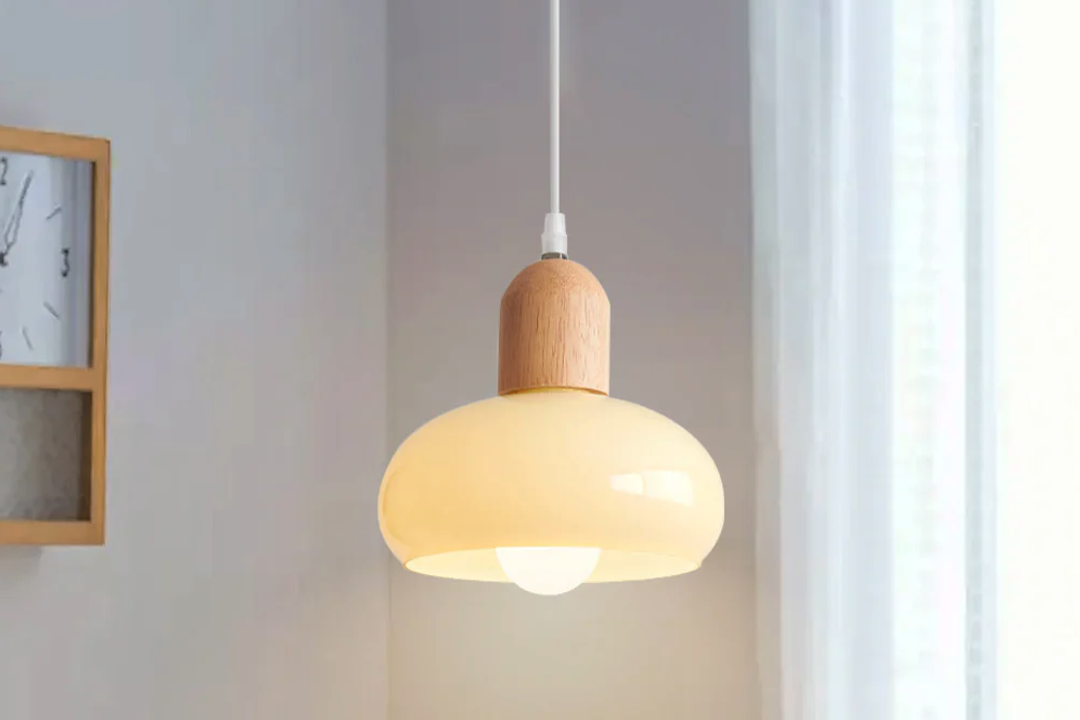
Let’s talk about minimalist frosted glass pendant lights – specifically those with a creamy, soft aesthetic. If you’re looking for a lighting fixture that’s both stylish and practical, bringing a gentle warmth to your space without being overly dramatic, you’ve likely stumbled upon these. They offer a fantastic way to elevate a room, providing diffused, inviting light and a touch of modern sophistication, all while keeping things undeniably understated. Think less “look at me!” and more “come on in, relax a while.”
Frosted glass is a bit of a secret weapon in lighting Inzuzu design, and for good reason. It’s not just about aesthetics; it’s largely about function.
The Magic of Diffusion
The primary benefit of frosted glass is its ability to diffuse light. Unlike clear glass, which can create harsh, pinpoint beams and strong shadows, frosted glass scatters the light as it passes through. This creates a much softer, more even illumination that’s easier on the eyes. It eliminates glare and reduces contrast, making the space feel more comfortable and inviting.
Aesthetics of Softness
Beyond practicality, the diffused light from frosted glass has a particular aesthetic quality. It makes a room feel softer, more serene, and generally calmer. This is especially true when paired with a “creamy” aesthetic, which we’ll dive into more later. It’s a sophisticated look that avoids being stark or cold, even in a minimalist setting.
Hiding the Bulb
Let’s be honest, not all light bulbs are pretty. Frosted glass cleverly conceals the bulb, preventing you from seeing the sometimes-unattractive filament or internal components. This contributes to a cleaner, more refined look, making the fixture itself the star, rather than the light source within.
The Creamy Style: What It Is and Why It Matters
When we talk about a “creamy style” in lighting, we’re not just referring to the color. It encompasses a broader feeling and aesthetic choice that brings warmth and sophistication.
Beyond Just “Off-White”
“Creamy” isn’t just about a specific hue of off-white. It’s about a tone and a texture that feels organic, soft, and warm. Think of natural materials, gentle transitions, and a comfort that’s welcoming without being overwhelming. It’s often achieved through the glass itself, which might have a slightly opaque, milky quality, or through the subtle tint of the glass or the fixture’s hardware.
Embracing Warmth
In an era where many lean towards stark whites and greys for minimalist designs, a creamy style introduces much-needed warmth. This warmth doesn’t compromise the minimalist aesthetic; rather, it enhances it, making spaces feel less sterile and more liveable. It’s about creating an atmosphere, not just illuminating a space.
Versatility in Design
The beauty of a creamy style, especially with frosted glass, is its incredible versatility. It can effortlessly blend into various design palettes, from Scandinavian and Japandi to modern farmhouse and even certain industrial chic looks when paired with the right metals. It acts as a neutral, but a much richer and more interesting neutral than a plain white.
Minimalist Design Principles in Lighting
Minimalism isn’t about absence; it’s about intentionality. When applied to lighting, it means selecting fixtures that serve their purpose beautifully without adding unnecessary visual clutter.
Clean Lines and Simple Forms
Minimalist frosted glass pendant lights typically feature clean lines and uncomplicated forms. You won’t often find elaborate embellishments or busy patterns. Instead, the focus is on the inherent beauty of the materials and the purity of the shape. Spheres, cylinders, subtle cones, or organic, vaguely blob-like shapes are common.
Emphasis on Materiality
In minimalist design, the materials themselves often become a key aesthetic element. With frosted glass, the focus is on its inherent qualities: its smooth texture, its light-diffusing properties, and its subtle translucence. When combined with creamy tones, the material takes on an almost sculptural quality.
Functional Beauty
Every element in a minimalist design should serve a purpose. A minimalist pendant light isn’t just a decorative object; it’s a critical source of illumination. Its design stems from its function, resulting in an object that is both beautiful and highly practical. There’s no fluff, just purposeful design.
Placement and Application Inspiration
A minimalist frosted glass pendant in a creamy style is incredibly adaptable. Here are some common and effective ways to incorporate them into your home.
Over a Dining Table
This is a classic spot for pendant lights, and the creamy frosted glass works exceptionally well here. The diffused light creates a warm and inviting atmosphere for meals, reducing harsh shadows on faces and food. Depending on the table size, you might opt for a single larger pendant or a cluster of smaller ones for more visual interest and broader illumination.
Kitchen Island Task Lighting
For kitchen islands, these pendants offer both task lighting and aesthetic appeal. Mounted a bit lower, they can provide focused light for food prep or casual dining, while the frosted glass ensures that the light isn’t blinding when you’re looking directly at it. A series of two or three identical pendants often looks best over an island.
Beside the Bed (Instead of a Lamp)
Instead of traditional bedside table lamps, consider hanging smaller frosted glass pendants on either side of your bed. This frees up valuable surface space on your nightstands and introduces a modern, boutique hotel vibe. The soft, creamy light is perfect for winding down in the evening.
Entryways and Hallways
A single, well-placed pendant in an entryway can set a welcoming tone for your entire home. In a hallway, a series of evenly spaced pendants can guide the eye and add interest to an otherwise overlooked space. The gentle glow prevents these transitional areas from feeling cold or stark.
As an Accent in a Living Area
While not typically the primary light source in a large living room, a smaller creamy frosted glass pendant can act as a beautiful accent. Hang one in a cozy reading nook, above a side table, or in a corner to draw attention to a specific area and add a layer of soft illumination.
Choosing Your Perfect Creamy Frosted Glass Pendant
With a surprisingly wide array of options available, here’s how to narrow down your choices and find the pendant light that truly fits your space and style.
Size Matters: Scale and Proportion
One of the biggest considerations is the size of the pendant in relation to the space it will occupy. A fixture that’s too small will look lost, while one that’s too large can overwhelm the room.
Rule of Thumb for Dining Tables
For a dining table, the pendant’s width should generally be about one-half to two-thirds the width of the table. Also, ensure it hangs high enough so it doesn’t obstruct views but low enough to effectively light the table (typically 30-36 inches above the tabletop).
Island Considerations
For kitchen islands, plan for a pendant every 2-3 feet of island length. If you’re going for a larger, single statement piece, ensure it’s still proportionate to the island’s scale.
Overall Room Size
Consider the ceiling height and the overall square footage. A high ceiling might accommodate a larger, longer pendant, while a lower ceiling calls for something more compact.
Shape and Form: Finding Your Aesthetic
The shape of the glass globe is a key design element that dictates the overall feel of the fixture.
Spherical and Orb Lights
These are perhaps the most archetypal choice for minimalist pendants. Their perfect, simple form is timeless and universally appealing. They can feel modern, yet also have a classic elegance. A sphere looks good in almost any setting.
Cylindrical and Tubular Designs
For a more industrial or ultra-modern edge, consider cylindrical or tubular forms. These often lean into a more architectural aesthetic, providing a focused downward light.
Organic and Irregular Shapes
Some designers are now exploring more irregular, organic, or elongated shapes that still maintain minimalist principles. These can add a sculptural element and a touch of artistic flair without sacrificing simplicity. They often feel more contemporary and unique.
Hardware and Finishes: The Supporting Role
While the glass is the star, the hardware plays a crucial supporting role, anchoring the design and integrating it with other elements in your room.
Brass and Gold Tones
These metallic finishes add a touch of warmth and sophistication that beautifully complements the creamy frosted glass. They can evoke a mid-century modern feel or a refined contemporary look. Ensure the tone of brass (brushed, polished, aged) matches your desired aesthetic.
Matte Black
For a bolder contrast and a more industrial or strictly modern vibe, matte black hardware provides a striking outline. It can ground the design and add a crisp edge to the softness of the glass.
Brushed Nickel or Chrome
These cooler-toned metals offer a sleek, contemporary feel. They are often chosen in spaces with other silver-toned fixtures and appliances for a cohesive look. They tend to be less dominant than brass or black, letting the glass shine even more.
White or Cream Finishes
To really lean into the muted, monochromatic creamy aesthetic, hardware that matches or closely approximates the glass color can create a wonderfully seamless and understated look. This approach can make the fixture feel almost ethereal.
Light Temperature and Bulb Choice
Even with frosted glass, the color temperature of your light bulb will significantly impact the overall mood.
Warm White (2700K-3000K)
This is typically the best choice for achieving that “creamy” and inviting atmosphere. It produces a soft, yellowish light similar to older incandescent bulbs, perfect for living areas, bedrooms, and dining spaces where comfort is key.
Neutral White (3500K-4000K)
If you need a bit more crispness, perhaps for an office nook or a kitchen where you want good task visibility but still want a friendly glow, a neutral white can work. It’s less yellow than warm white but not starkly blue.
Dimmable Options
Always, always opt for dimmable fixtures and bulbs. The ability to adjust the light intensity is invaluable, allowing you to shift from bright task lighting to a soft ambient glow with ease. This significantly enhances the versatility and enjoyment of your pendant light.
Maintenance: Keeping That Soft Glow
Frosted glass, especially in creamy tones, is relatively low maintenance, but a few simple tips will keep it looking its best.
Regular Dusting
The most common issue is dust accumulation. A soft microfiber cloth or a feather duster can easily take care of this on a regular basis. Make it part of your routine cleaning.
Gentle Cleaning for Smudges
For fingerprints or more stubborn marks, use a slightly damp cloth with just plain water or a very mild, non-abrasive glass cleaner. Avoid harsh chemicals, as they can sometimes leave streaks or even affect the frosted finish over time.
Handle with Care
Frosted glass is still glass, so treat it with care. When cleaning or changing bulbs, be gentle to avoid chips or cracks. Unplug the fixture or turn off the power at the breaker before handling.
Final Thoughts: Designing with Intent
A minimalist frosted glass pendant light in a creamy style isn’t just a trend; it’s a thoughtful design choice that speaks to a desire for calm, warmth, and understated elegance in our homes. By focusing on diffusion, soft tones, and clean forms, these fixtures offer a sophisticated way to illuminate and enhance any space. They invite you to slow down, soften your surroundings, and appreciate the beauty in simplicity. It’s about designing with intent – choosing pieces that serve both their purpose and your desire for a truly harmonious home environment.