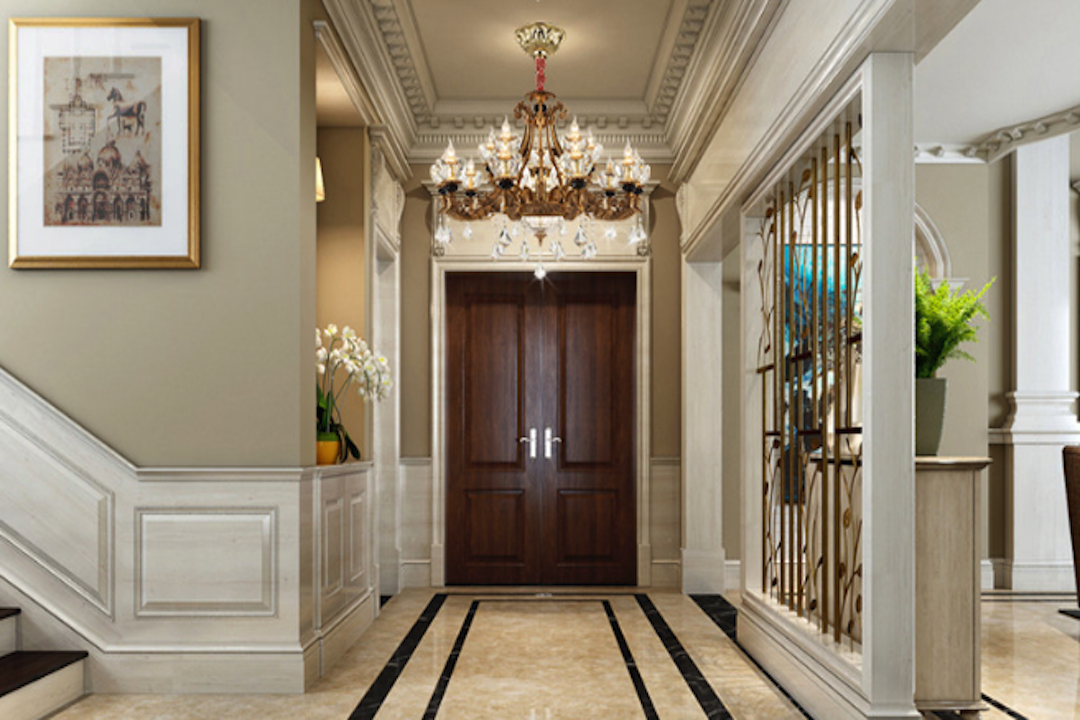
Bronze chandeliers, particularly those categorized as antiques, serve as a significant element in classic interior design. Their presence transcends mere illumination, acting as a historical and aesthetic focal point within a space. This article explores the characteristics, historical evolution, and practical considerations of integrating elegant antique bronze chandeliers into classic interiors. Understanding their provenance and construction is key to appreciating their enduring value and selecting an appropriate piece for your setting.
The Nature of Antique Bronze
Antique bronze, as applied to chandeliers Woyik , refers to fixtures crafted from an alloy primarily composed of copper, often with tin as the main additive. Other metals, such as zinc, manganese, or aluminum, may also be present in smaller concentrations, influencing the alloy’s properties. The term “antique” generally denotes an object of considerable age, though the precise cut-off can vary. For chandeliers, this often implies pieces from periods prior to the early 20th century, encompassing styles like Rococo, Neoclassical, and Victorian.
Composition and Patination
The alloy’s composition directly impacts its color and its capacity to develop patination over time. Copper-rich bronzes tend toward warmer, reddish tones, while higher tin content can result in a more yellowish hue. Patina, the surface layer formed through natural oxidation and interaction with environmental elements, is a critical characteristic of antique bronze. It typically presents as a range of greens, browns, and blacks, lending depth and character to the metal. This natural aging process is often coveted and contributes significantly to the chandelier’s antique appeal. Artificial patination techniques have also been employed historically and in reproduction pieces to accelerate this process.
Craftsmanship and Techniques
The creation of an antique bronze chandelier involved sophisticated metalworking techniques. Casting was a primary method, where molten bronze was poured into molds to form intricate arms, frames, and decorative elements. Chasing and repoussé were frequently used to refine these cast components, adding detail and texture. Chasing involves working the front of the metal with tools to define lines and shapes, while repoussé manipulates the metal from the reverse side to create a raised design on the front. These techniques, often executed by skilled artisans, contributed to the unique artistic quality of each piece.
Historical Evolution of Bronze Chandeliers
The lineage of bronze chandeliers can be traced back centuries, evolving in form and function alongside architectural and artistic movements. Their design often reflects the prevailing aesthetic sensibilities and technological capabilities of their respective eras.
Early Forms and Renaissance Influences
Early lighting fixtures, often utilitarian in design, gradually incorporated decorative elements. The Renaissance period saw a significant shift towards more elaborate designs. Italian artisans, influenced by classical antiquity, began producing chandeliers with intricate scrollwork, mythological figures, and architectural motifs. Bronze, with its malleability and durability, proved an ideal material for these detailed creations. These early examples often featured multiple tiers and candleholders, reflecting the practical need for brighter illumination in grand spaces.
Baroque and Rococo Grandeur
The Baroque period (roughly 17th to mid-18th century) witnessed an explosion of opulent and dramatic designs. Chandeliers became central to the theatrical grandeur of palaces and churches. Bronze was frequently combined with crystal, creating dazzling displays of light. Curving forms, rich ornamentation, and a sense of movement characterized these pieces. The subsequent Rococo period (mid-18th century) refined this grandeur with a lighter, more asymmetrical aesthetic. Shell motifs, delicate foliate designs, and playful asymmetry became prominent, often still executed in bronze.
Neoclassical and Empire Simplicity
The late 18th and early 19th centuries brought a resurgence of interest in classical antiquity, giving rise to the Neoclassical and Empire styles. Chandeliers from these periods often exhibit a more restrained and symmetrical design. Columns, urns, and Greco-Roman decorative elements replaced the exuberance of the Baroque and Rococo. Bronze finishes were typically more muted, sometimes with a darker patination to emulate ancient bronze artifacts. The balance and order of classical architecture were reflected in these fixtures, which often emphasized clean lines and structured forms.
Victorian and Art Nouveau Developments
The Victorian era (mid-19th to early 20th century) embraced a diversity of styles, often drawing from historical precedents. Bronze chandeliers remained popular, sometimes incorporating gas lines for illumination alongside traditional candles, marking a technological transition. Designs could be elaborate and eclectic, often featuring a mix of Gothic, Renaissance, and Rococo revival elements. The emergence of Art Nouveau in the late 19th century introduced organic, flowing lines, and naturalistic motifs, with bronze skillfully shaped into botanical forms and intricate swirling patterns.
Integrating Bronze Chandeliers into Classic Interiors
Selecting and installing an antique bronze chandelier requires careful consideration of the specific interior, ensuring it complements the existing architecture and furnishings rather than clashing with them. It acts as a visual anchor, drawing the eye upwards.
Style Compatibility
The most crucial aspect of integration is style compatibility. A Rococo bronze chandelier, with its ornate curves and shell motifs, might be entirely at home in a French-inspired salon but could appear incongruous in a minimalist Georgian dining room. Conversely, a more austere Neoclassical bronze chandelier would suit a Federal-style hall. Consider the architectural details of your space – the moldings, ceiling height, and scale of the room – to guide your selection. The chandelier should feel like a natural extension of the room’s character.
Scale and Proportion
The physical dimensions of the chandelier relative to the room are paramount. A chandelier that is too small can appear lost, while one that is excessively large can overwhelm the space and impede flow. As a general guideline for dining rooms, the diameter of the chandelier should be approximately half to two-thirds the width of the dining table. For entrance halls or living rooms, the sum of the room’s length and width in feet can approximate the ideal diameter of the chandelier in inches. Ensure there is adequate head clearance, particularly over walkways or seating areas, to prevent accidental contact.
Lighting and Ambiance
Beyond its decorative function, the chandelier remains a source of light. Antique bronze chandeliers were originally designed for candles or, later, gas. Modern reproductions and restored antiques are typically wired for electricity. Consider the type of bulbs that complement the fixture’s aesthetic and provide appropriate illumination for the space. Dimmers are highly recommended to allow for adjustable ambiance, shifting from bright, functional light to a softer, more atmospheric glow. The warm glow emanating from a bronze fixture can enhance the richness of surrounding textures and colors.
Sourcing and Authentication
Acquiring an antique bronze chandelier necessitates a discerning eye and, often, expert guidance. The market includes genuine antiques, expertly restored pieces, and modern reproductions.
Reputable Dealers and Provenance
The most secure route to acquiring a genuine antique is through reputable dealers specializing in period lighting. Such dealers often have extensive knowledge of historical styles, construction methods, and material characteristics. They can provide a certificate of authenticity or detailed provenance, tracing the chandelier’s history and previous ownership. This documentation offers assurance of the chandelier’s age and origin, acting as its historical passport. Attend well-established antique fairs and auctions where experts are present.
Condition and Restoration
Antique chandeliers, by their nature, will show signs of age. Minor imperfections, dings, or variations in patination are often indicative of authenticity and contribute to the piece’s character. However, extensive damage, poorly executed repairs, or missing components can significantly detract from its value and aesthetic appeal. When evaluating a piece, assess its structural integrity. If restoration is required, inquire about the methods used. Professional, sympathetic restoration aims to preserve the chandelier’s integrity while making it functional and safe for modern use. Poor restoration can diminish both historical value and market price.
Pricing Considerations
The price of an antique bronze chandelier varies widely based on several factors: age, rarity, artistic merit, condition, size, and the reputation of the dealer. A rare, well-preserved piece from a prominent historical period or associated with a renowned craftsman will command a higher price than a more common or heavily restored example. Consider this an investment not only in a functional object but also in a piece of design history. Research similar items and consult with multiple experts to benchmark reasonable pricing.
Maintenance and Care
Preserving the beauty and integrity of an antique bronze chandelier ensures its longevity and continued appeal. Bronze is a durable material, but it benefits from appropriate care.
Cleaning Techniques
Regular dusting with a soft, dry cloth is sufficient for general maintenance. For more thorough cleaning, especially to remove grime or dullness, a mild, non-abrasive cleaning solution specifically designed for antique bronze may be used sparingly. Always test any cleaning product on an inconspicuous area first. Avoid harsh chemicals, acidic cleaners, or abrasive tools, as these can strip the natural patination that defines antique bronze, thereby diminishing its character and value. The patina is the skin of its history; harsh cleaning can strip away this narrative.
Electrical Safety
For antique chandeliers converted to electricity, periodic inspection by a qualified electrician is essential. Wiring, sockets, and insulation can degrade over time, posing safety risks. Ensure all electrical components meet current safety standards. If the chandelier is heavily soiled, switch off the power at the main breaker before attempting any cleaning. This preventative measure is a crucial step in maintaining both the chandelier and the safety of your home.
Environmental Considerations
Bronze is susceptible to certain environmental factors. Excessive humidity can accelerate corrosion, while direct sunlight over prolonged periods can unevenly alter patination. Position the chandelier in an environment with stable temperature and humidity where possible. Avoid locations where it might be exposed to corrosive fumes or chemicals, which can damage the surface. A stable environment helps to preserve the natural aging process without undue degradation.
Conclusion
Antique bronze chandeliers are more than mere light fixtures; they are tangible links to historical design, offering a depth and character that modern reproductions often lack. By understanding their history, construction, and proper integration and care, you can select a piece that not only illuminates your classic interior but also imbues it with a sense of timeless elegance and historical resonance. They stand as enduring testaments to craftsmanship, casting their warmth and light through the passage of centuries.