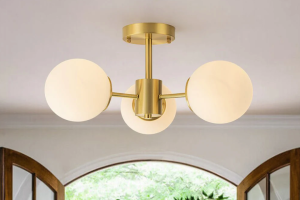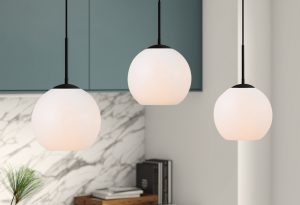

Glass shades, often overlooked in the pursuit of natural light, can be a significant source of discomfort and visual inefficiency when glare becomes a prominent issue. This article examines methods for reducing glare using non-transparent glass shades, exploring the principles behind glare, the types of non-transparent shades available, and their application in various environments.
Glare is defined as a visual sensation caused by an uncomfortably high luminance or by a sufficiently high luminance contrast in the field of vision. It can manifest in two primary forms: direct glare and reflected glare.
Direct Glare
Direct glare occurs when a light source is within the field of vision. Think of looking directly at a bright sun or an unshaded light bulb. This can lead to temporary visual impairment, discomfort, and a reduction in the ability to see other objects clearly. The intensity of the light source and its position relative to the observer are key factors. For instance, a window positioned directly opposite a workstation can be a significant source of direct glare for someone working at their desk.
Luminance and Contrast
The brightness of a surface, known as luminance, is a critical component of glare. When the luminance of a light source or a reflective surface significantly exceeds the luminance of the surrounding environment, it creates a high luminance contrast. This contrast is what the eye struggles to reconcile, leading to the discomfort associated with glare. Imagine trying to read a book outdoors on a sunny day; the bright sky creates a high luminance contrast with the page of your book, making it difficult to focus.
Physiological and Psychological Effects
The physiological effects of glare include pupil constriction, increased eye strain, and headaches. These responses are the body’s attempt to protect the sensitive retina from excessive light. Beyond the physical discomfort, glare can also have psychological impacts. It can induce feelings of frustration, irritability, and a general sense of unease. In workspaces, this can translate to reduced productivity and concentration. In residential settings, it can detract from the enjoyment of a space.
Reflected Glare
Reflected glare arises from light that bounces off shiny or smooth surfaces. Examples include the sheen on a polished floor, a desktop, or a computer screen. This type of glare is particularly problematic when it interferes with tasks that require detailed visual perception.
Surface Properties and Angle of Incidence
The nature of the reflecting surface plays a crucial role. Highly polished and smooth surfaces, such as glass tabletops or glossy paint, are more prone to creating strong reflections. The angle at which light strikes the surface and the angle from which the observer views the reflection also determine the intensity and visibility of reflected glare. Snell’s law of reflection, which states that the angle of incidence equals the angle of reflection, is fundamental here. If the reflected light enters the observer’s eye, glare can occur.
Task Disruption
Tasks that demand precise visual input are especially vulnerable to reflected glare. For example, a surgeon working on a delicate procedure, an artist painting a detailed canvas, or a data analyst reviewing complex spreadsheets can all be significantly hindered by distracting reflections. The constant need to readjust one’s position or shield their eyes from reflections can disrupt workflow and lead to errors.
Types of Non-Transparent Glass Shades for Glare Reduction
Non-transparent glass shades are designed to block or significantly diffuse light, thereby controlling its intensity and preventing direct or reflected glare. Unlike transparent glass, which allows unobstructed passage of light, these shades introduce a layer of diffusion or opacity.
Opaque Glass
Opaque glass, as its name suggests, completely blocks the passage of light. It is made opaque through various manufacturing processes, such as the addition of opacifying agents during glass production or the application of coatings.
Enamelled and Frosted Treatments
Enamel, a vitreous coating, can be fused to the surface of glass at high temperatures to create a permanently opaque and often colored finish. This process results in a durable and aesthetically diverse material. Similarly, etching or sandblasting the surface of glass can create a frosted effect. While frosted glass diffuses light rather than completely blocking it, it significantly reduces direct glare by scattering light rays.
Applications in Architecture and Design
Opaque glass finds extensive use in architectural applications where privacy and light control are paramount. Examples include bathrooms, changing rooms, and internal partitions in offices where visual separation is required without compromising the overall sense of space entirely. It is also utilized in decorative elements, such as backsplashes or feature walls, where its light-blocking properties can be combined with aesthetic considerations.
Translucent Glass
Translucent glass allows light to pass through, but it diffuses the light so that objects on the other side are not clearly visible. This diffusion softens and spreads the light, reducing harshness and glare.
Sandblasting and Etching Techniques
Similar to opaque glass, sandblasting and etching are common methods for achieving translucency. The depth and fineness of the abrasive used in sandblasting, or the chemical process in etching, determine the degree of translucency and diffusion. These techniques can be applied uniformly across the glass surface or in patterned designs.
Diffusing Films and Coatings
Another method for creating translucent glass involves applying diffusing films or coatings to a transparent glass substrate. These films are often made of polymers with embedded particles that scatter light. The thickness and composition of the film can be adjusted to achieve varying levels of diffusion and light transmission. This approach offers flexibility, as films can be applied to existing transparent glass installations.
Applications of Non-Transparent Glass Shades in Different Environments
The effectiveness of non-transparent glass shades in reducing glare is evident across a range of settings, from the home to the workplace and public spaces.
Residential Interiors
In homes, non-transparent glass shades can enhance comfort and functionality by controlling natural light and preventing unwanted glare.
Living Areas and Bedrooms
In living rooms and bedrooms, excessive sunlight can create glare on television screens or make it difficult to relax. Using translucent or frosted glass for windows or as room dividers can soften the light, creating a more comfortable ambiance. For instance, a frosted glass panel in a bedroom window can allow diffused daylight to penetrate without the harshness of direct sun, ensuring a gentler awakening.
Kitchens and Bathrooms
These areas often require both privacy and diffused light. Opaque or patterned translucent glass is ideal for bathroom windows where privacy is essential, while still allowing ambient light to enter. In kitchens, using frosted glass for cabinet doors can conceal contents while preventing glare from overhead lights reflecting off the doors.
Commercial and Office Spaces
Glare in commercial and office environments can significantly impact productivity and user comfort. Non-transparent glass shades offer solutions for these challenges.
Workstations and Meeting Rooms
Direct and reflected glare from windows can be a major issue for employees working at computers. Applying diffusing films or using frosted glass panels on partitions can mitigate this. Imagine a meeting room where a large window overlooks a busy street; using a translucent film on the window can reduce distracting reflections on the presentation screen, allowing for more focused discussions. The strategic use of frosted glass partitions can also prevent glare from bouncing off polished surfaces within the room.
Retail Environments
In retail settings, glare can detract from product displays and create an uncomfortable shopping experience. Using non-transparent glass shades in display windows can help control the intensity of light, preventing harsh reflections that might obscure merchandise. Furthermore, subtle frosting on internal glass partitions can manage light flow and reduce glare within the store.
Public and Institutional Buildings
Public and institutional buildings, often characterized by large glazed areas, benefit considerably from glare control measures.
Hospitals and Healthcare Facilities
In healthcare settings, patient comfort and the ability of medical staff to perform their duties are paramount. Glare can be a source of stress for patients and can interfere with visual assessments. Using translucent glass in patient rooms can provide privacy while creating a calming, diffused light environment. Opaque glass can be used in sensitive areas where complete light blocking and privacy are necessary.
Educational Institutions
Schools and universities often feature large windows to maximize natural light. However, uncontrolled light can lead to glare, impacting students’ ability to concentrate on reading or screen-based learning. Installing diffusing films or using frosted glass in classrooms and libraries can create an optimal learning environment by reducing visual distractions. The subtle diffusion of light can also prevent the harsh shadows that can hinder reading comprehension.
Integration with Lighting Design Principles
The effective use of non-transparent glass shades is not merely about blocking light; it involves thoughtful integration within a broader lighting design strategy.
Balancing Natural and Artificial Light
The goal is often not to eliminate natural light but to manage it in conjunction with artificial lighting. Non-transparent shades can act as a filter, moderating the intensity of daylight and allowing for a more harmonious blend with artificial sources. This balance can lead to reduced energy consumption by decreasing reliance on artificial lighting during daylight hours.
Luminescence Control and Diffuse Illumination
Non-transparent shades contribute to luminescence control by reducing surface brightness. Instead of concentrated beams of light, they promote diffuse illumination, which is softer and more evenly distributed. This principle is especially important in workspaces where uniform light levels are preferred for extended visual tasks.
Aesthetic Considerations and Materiality
Beyond functional glare reduction, the choice of non-transparent glass shade can contribute significantly to the overall aesthetic of a space.
Textures, Patterns, and Color
The variety of finishes available for non-transparent glass, from the smooth matte of sandblasted surfaces to the patterned depth of etched designs, offers designers a wide palette. Color can also be introduced, either through integrated pigments or colored coatings, further enhancing the visual appeal while still providing glare control. For example, a subtly textured translucent glass can add a tactile element to a room, even as it softens the light.
Creating Ambiance and Visual Interest
By modulating light, non-transparent shades can transform the atmosphere of a room. They can create a sense of calm and intimacy in a residential setting, or a professional and focused environment in an office. The interplay of light and shadow, softened by the diffusing qualities of the glass, can add visual interest and depth to interior spaces, making them more dynamic and engaging.
Maintenance and Durability of Non-Transparent Glass Shades
The longevity and continued effectiveness of non-transparent glass shades depend on their material properties and appropriate maintenance.
Cleaning and Care
The cleaning requirements for non-transparent glass vary depending on the specific treatment.
Surface Treatments vs. Integral Opacity
Glass with surface treatments like sandblasting or etching may require more gentle cleaning methods to avoid damaging the texture. Mild detergents and soft cloths are generally recommended. For enamelled or colored opaque glass, the cleaning methods are often similar to those for standard glass, though abrasive cleaners should be avoided to protect the finish.
Preventing Damage
Care should be taken to avoid impact damage, as with any type of glass. Regular cleaning not only maintains the aesthetic appeal but also prevents the buildup of grime and dust, which can accumulate and affect light diffusion. A clean, well-maintained shade will continue to perform its function effectively.
Material Longevity and Environmental Factors
The durability of non-transparent glass shades is generally high, but certain environmental factors can influence their lifespan.
Resistance to UV Radiation and Weathering
Glass itself is highly resistant to UV radiation and weathering, meaning that treatments like etching or sandblasting are unlikely to degrade significantly over time due to exposure to sunlight or atmospheric conditions. Enamelled finishes are also known for their durability, forming a strong bond with the glass substrate.
Longevity in Various Applications
In interior applications, where exposure to the elements is minimal, non-transparent glass shades can last for decades with proper care. In exterior applications, such as opaque spandrel panels in curtain walls, their longevity is also exceptional. The inherent properties of glass ensure that these shades are a long-term solution for glare reduction and aesthetic enhancement.
Conclusion
Non-transparent glass shades offer a practical and aesthetically versatile solution for controlling glare in a variety of settings. By understanding the principles of glare and the different types of non-transparent glass available, designers and homeowners can strategically employ these materials to enhance visual comfort, improve functionality, and contribute to the overall quality of interior and exterior spaces. The thoughtful application of opaque and translucent glass transforms harsh light into a more manageable and pleasant visual experience, ensuring that spaces are both functional and inviting.