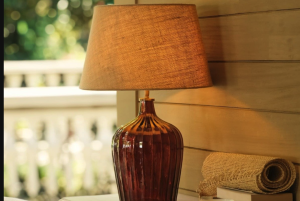
Looking to bring that relaxed, tropical vibe into your home? A hand-woven rattan lampshade is often the key ingredient for achieving that “tropical homestay” feel. It’s more than just a light fixture; it’s a piece that instantly adds texture, warmth, and a touch of the natural world to your space. You’ll find these lampshades are practical for creating a soft, ambient light that’s perfect for unwinding, and their natural material integrates beautifully with a range of interior styles, not just strictly “tropical.”
Rattan, a natural vine that grows in tropical regions, has been used for centuries in furniture and basketry. Its inherent flexibility, durability, and open weave make it an ideal material for lampshades.
Natural Aesthetics and Texture
The beauty of rattan lies in its natural variations in color and weave. Each lampshade, being hand-woven, will have its own unique character. This isn’t about factory perfection; it’s about organic charm. The texture it brings to a room is subtle yet impactful, preventing a space from feeling flat or sterile.
Warm, Diffused Light
Rattan’s open weave allows light to filter through gently, creating a warm, inviting glow. Instead of harsh, direct light, you get a diffused, ambient illumination that minimizes glare and creates a cozy atmosphere. This is precisely what you want in a space where relaxation is the priority.
Versatility in Design
While we’re talking “tropical homestay,” rattan lampshades are surprisingly versatile. They aren’t limited to one specific aesthetic. They can complement bohemian, Scandinavian, minimalist, and even modern rustic interiors. Their neutral tones act as a canvas, allowing them to blend seamlessly or stand out as a focal point depending on the surrounding decor.
Choosing the Right Rattan Lampshade for Your Space
With so many styles and sizes available, selecting the perfect rattan lampshade might seem a bit daunting. Consider your room’s dimensions, existing decor, and the specific lighting needs of that area.
Understanding Shapes and Sizes
Rattan lampshades come in a wide array of shapes – domes, cylinders, conical, bell, and even more organic, sculptural forms. The shape you choose will influence the light distribution and the overall visual impact.
- Domes and Bells: These are popular for overhead lighting in dining areas or living rooms. They direct light downwards while still allowing some dispersion through the sides. Larger dome shades can make a significant design statement.
- Cylindrical: Often used for table lamps or narrower pendant applications where a more contained light is desired. They offer a clean, modern aesthetic.
- Organic/Sculptural: These can be true showstoppers, acting as art pieces even when unlit. They’re great for adding unique character to a space.
Size is equally important. A lampshade that’s too small will look disproportionate, while one that’s too large can overwhelm the room. As a general rule, the diameter of your lampshade should be roughly one-half to two-thirds the width of the table it sits on, or proportionate to the ceiling height for pendants.
Considering the Weave Pattern
The weave of the rattan isn’t just aesthetic; it affects how light passes through.
- Open Weave: This allows more light to pass, creating more pronounced shadows and a softer, airier feel. It’s excellent for ambient lighting.
- Tightly Woven: A tighter weave will direct light more focally, offering less light spill through the sides. This can be good for task lighting or if you want less light leakage.
Some lampshades combine different weave patterns, offering intricate designs that become part of the visual appeal.
Installation Type: Pendant, Table, or Floor?
Rattan lampshades can be adapted for various lighting needs.
- Pendant Lights: These hang from the ceiling and are fantastic for overhead general lighting or for highlighting specific areas like a dining table or kitchen island. A cluster of smaller rattan pendants can create an interesting focal point.
- Table Lamps: A rattan shade on a table lamp base can provide bedside lighting, accent lighting on a console, or a warm glow in a living room.
- Floor Lamps: Larger rattan shades on floor lamps offer ambient lighting and can anchor a seating area.
Ensure the lampshade you choose is compatible with your existing lighting fixtures or the type of fixture you plan to purchase. Many rattan shades are sold as “shades only,” requiring you to source the electrical components separately.
Creating Your Tropical Homestay Vibe
A hand-woven rattan lampshade won’t transform your space into a tropical haven all on its own, but it’s a vital component. It sets the tone and provides a foundation upon which to build.
Layering Natural Elements
The “tropical homestay” aesthetic thrives on natural textures and materials. Think beyond rattan.
- Wood: Teak, bamboo, or light-colored woods for furniture.
- Linen and Cotton: For soft furnishings like curtains, cushion covers, and bedding. Their breathable nature aligns with the tropical feel.
- Plants: No tropical space is complete without greenery. Large-leafed plants like Monsteras, Fiddle Leaf Figs, or even a simple palm can significantly enhance the atmosphere.
- Stone and Shells: Small decorative accents on shelves or tables.
The rattan lampshade acts as a unifying element among these different natural textures, bringing them together harmoniously.
Color Palettes for a Relaxed Feel
While there are many ways to approach a tropical palette, some common choices help achieve that serene, laid-back vibe.
- Neutrals and Earth Tones: Think sand, off-white, beige, light grays, and muted greens. These provide a calming backdrop and allow the natural textures to shine.
- Soft Blues and Greens: Inspired by the ocean and lush foliage, these can add subtle pops of color without being overpowering.
- Warm Accents: If you want a bit more vibrancy, consider muted terracottas, or soft yellows, reminiscent of sunsets, used sparingly.
Avoid overly bright or artificial colors if you’re aiming for that authentic, natural homestay feel. The rattan lampshade, with its inherent natural color, will blend seamlessly with these palettes.
Furniture and Layout for Flow
Embrace an open, airy feel in your furniture arrangement. Avoid overcrowding the room.
- Comfortable Seating: Plush sofas and armchairs with loose, natural fabric covers.
- Low-Level Furniture: A low coffee table or side tables made from wood or bamboo can enhance a relaxed atmosphere.
- Outdoor-Inspired Pieces: Don’t be afraid to bring in elements often found outdoors, like a woven chair or a small bench.
- Strategic Placement: Arrange furniture to promote conversation and relaxation. Ensure there’s enough space to move around comfortably, mimicking the spaciousness often found in tropical resorts.
The rattan lampshade, especially a pendant, can help define a seating area or add height to a room without feeling heavy or intrusive.
Maintenance and Care for Your Rattan Lampshade
Rattan is a durable material, but like all natural products, it benefits from a little care to keep it looking good.
Basic Cleaning
Dust is rattan’s main enemy. Regular, simple cleaning will keep your lampshade looking its best.
- Dusting: Use a soft, dry cloth, a feather duster, or the brush attachment of your vacuum cleaner on a low setting. Do this weekly or bi-weekly.
- Wiping: For any stubborn dust or light grime, slightly dampen a cloth with plain water and wipe gently. Avoid saturating the rattan.
- Deep Cleaning (Infrequent): If really needed, a very mild soap solution (like a drop of dish soap in water) can be used with a damp cloth, followed immediately by wiping with a clean, dry cloth. Always test in an inconspicuous area first.
Never use harsh chemicals or abrasive cleaners, as these can damage the rattan and strip its natural finish.
Avoiding Damage
A few precautions can extend the life of your rattan lampshade.
- Direct Sunlight: Prolonged exposure to direct sunlight can cause rattan to dry out, become brittle, and fade in color. Position your lampshade where it’s not constantly bombarded by harsh sun.
- Humidity: While rattan is a tropical material, extreme, constant humidity can lead to mold or mildew growth, especially if there’s poor air circulation. Conversely, excessively dry environments can also make it brittle. Moderate indoor humidity is ideal.
- Heavy Objects: Avoid placing heavy objects on top of the lampshade or allowing anything to rest against it that could distort its shape.
- Moisture Spills: If liquid spills on the lampshade, blot it immediately with a clean, dry cloth.
By following these simple care tips, your hand-woven rattan lampshade will continue to provide beautiful illumination and contribute to your tropical homestay aesthetic for many years.
Where to Buy and What to Look For
Finding a quality hand-woven rattan lampshade is easier than ever, but knowing what to prioritize can make a difference in your purchase.
Sourcing Options
You’ll find rattan lampshades available from a variety of retailers.
- Specialty Home Decor Stores: These often carry curated collections and may have unique designs.
- Online Marketplaces: Websites like Etsy, Wayfair, or independent retailers offer a vast selection, often directly from artisans or small businesses. Pay attention to reviews and seller reputation.
- Local Artisans/Craft Markets: If you’re lucky enough to have access to these, you might find truly one-of-a-kind pieces and support local craftsmanship.
- Sustainable Brands: Look for companies that emphasize sustainable sourcing of rattan and ethical manufacturing practices.
Don’t rush your decision. Take your time to compare options and find something that truly speaks to your aesthetic.
Quality Indicators
When evaluating a rattan lampshade, look for these signs of good craftsmanship.
- Even Weave: While hand-woven implies some natural variation, the weave should generally be consistent and tight without large gaps or loose strands.
- Sturdy Construction: The frame (if any) and the rattan itself should feel robust, not flimsy.
- Smooth Finish: The rattan should be free of sharp edges or splinters that could snag fabric or dust cloths.
- Consistent Color (unless intentionally varied): The natural color should be relatively uniform unless the design specifically incorporates color variations. Avoid areas that look discolored or stained.
- Properly Fitted for Electricals: If it comes with electrical components, ensure they meet safety standards and are securely fitted. If it’s just the shade, ensure the opening for the light fitting is a standard size.
Investing in a well-made rattan lampshade ensures it will be a durable and beautiful addition to your home for years, truly embodying that essential tropical homestay feel.