This article examines the design and reception of the “Effortless Elegance: Seamless Opal Glass Sphere Pendant Light.” It delves into its aesthetic principles, material composition, functional aspects, and the contextual integration of this lighting fixture within contemporary interior design. The section headings are structured to provide a comprehensive overview of the subject matter.
The design of seamless opal glass sphere pendant lights Hongfu is characterized by a deliberate simplicity and a focus on form. The primary objective is to achieve a visually unobtrusive yet impactful presence in a space. This is accomplished through a confluence of aesthetic and functional considerations.
Minimalist Form and Silhouette
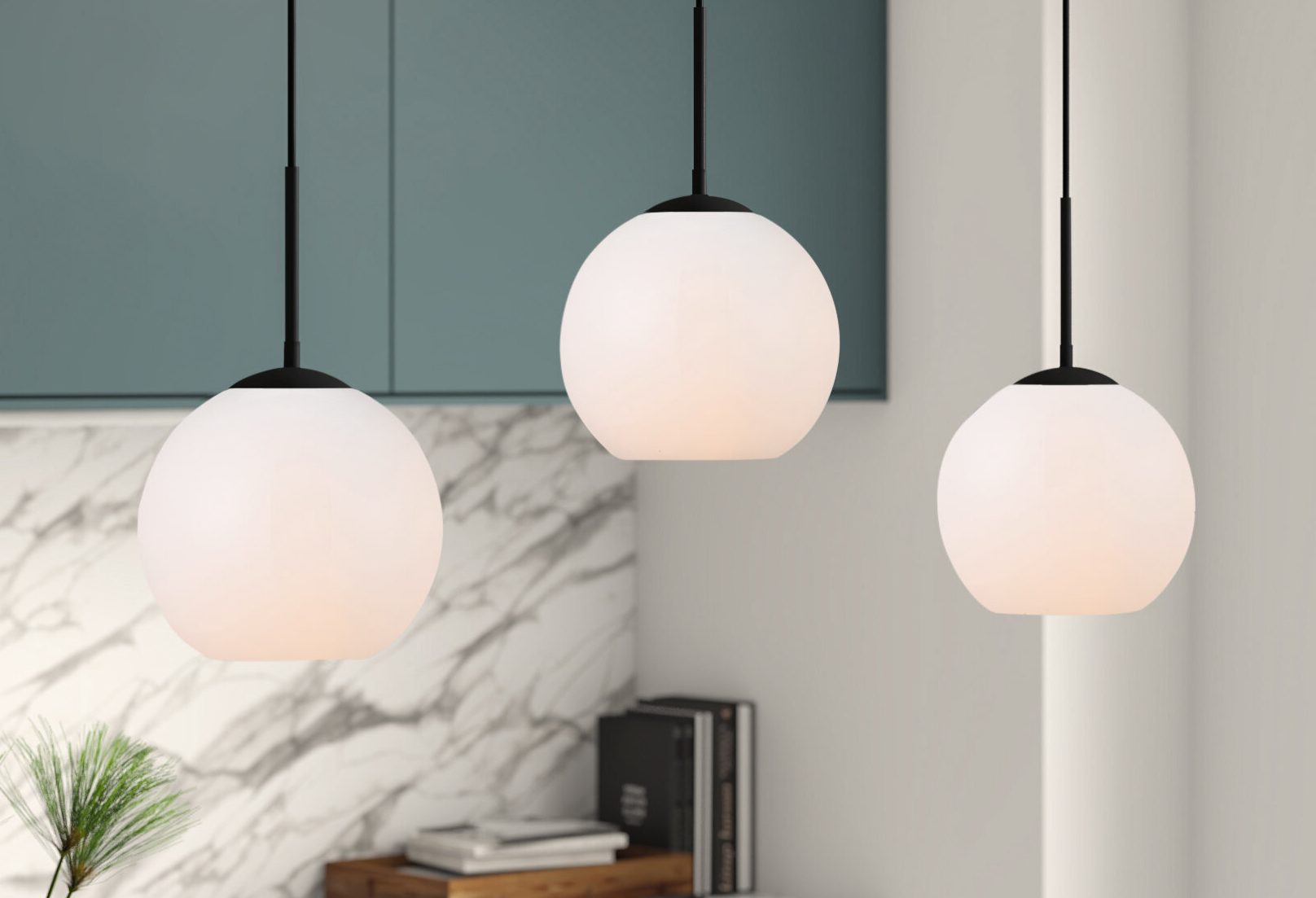
The spherical form is a fundamental element. Its unbroken curves offer a sense of completeness and wholeness. Unlike luminaries with intricate detailing or exposed hardware, the seamless sphere presents a smooth, unadulterated surface. This minimalism serves as a visual anchor, allowing other design elements within a room to take prominence while the light fixture contributes a subtle, sophisticated counterpoint.
- Geometric Purity: The sphere, as a geometric entity, possesses an inherent visual harmony. Its perfect symmetry avoids any perceived imbalance, contributing to a calming and ordered aesthetic.
- Absence of Visible Joints: The designation “seamless” is critical. It implies a manufacturing process that eliminates visible seams or joins in the glass, presenting a singular, continuous surface. This contributes to its flowing, almost organic appearance, as if the light itself has coalesced into a perfect orb.
- Scale and Proportion: While the sphere is the defining shape, variations in scale and proportion allow for adaptation to different environments. A single, large sphere might serve as a dramatic focal point in a spacious living area, while a cluster of smaller spheres could provide a more distributed and nuanced illumination in a dining room or hallway. The ratio of the sphere’s diameter to the overall height of the pendant is carefully considered to ensure it does not overwhelm the space nor appear diminutive.
The Role of Opal Glass
Opal glass is not merely a material choice; it is a crucial component dictating the light’s diffusion and aesthetic quality. Its composition and translucency are key to achieving the desired atmospheric effect.
- Light Diffusion: Unlike clear glass, which transmits light directly, opal glass scatters light. This diffusion process softens the light source, transforming harsh, direct illumination into a gentle, ambient glow. This prevents glare and eye strain, making the light more comfortable for prolonged exposure.
- Translucency and Opacity Spectrum: Opal glass exists on a spectrum of translucency. Some variations may be highly opaque, allowing only a faint luminescence, while others are more translucent, revealing subtle hints of the internal structure or light source. The specific degree of translucency in the seamless sphere pendant is engineered to achieve a desired balance between illumination and diffusion.
- Color Temperature and Rendering: The inherent properties of opal glass can influence the perceived color temperature of the light emitted. While the bulb itself is the primary determinant of color temperature, the glass acts as a filter, potentially warming or cooling the light’s appearance. Furthermore, the quality of light rendering (how accurately colors appear under the light) is a consideration, with well-designed opal glass aiming for neutral or pleasing color reproduction.
- Manufacturing Techniques: The creation of seamless opal glass spheres often involves sophisticated glassblowing techniques. These methods are designed to uniformly distribute the opacifying agents within the glass matrix and to achieve the perfectly spherical form without imperfections. Techniques like centrifugal casting or multi-part molding followed by fusing and polishing can be employed.
Material Integrity and Finish
Beyond the glass itself, the materials used for the suspension and canopy are integral to the overall design and durability.
- Finishes: Preferred finishes for the metal components (canopy, suspension rod/cable, socket housing) often complement the understated nature of the sphere. Brushed brass, matte black, polished chrome, or brushed nickel are common choices. These finishes are selected for their ability to integrate visually without competing with the glass sphere. The finish is applied using methods such as plating, powder coating, or anodizing.
- Durability and Maintenance: The chosen materials are also evaluated for their longevity and ease of maintenance. Metal finishes should be resistant to tarnishing and corrosion, while the glass itself should be easily cleaned of dust and fingerprints without scratching. The suspension materials, whether a rigid rod or a flexible cable, are designed to bear the weight of the sphere securely and to withstand regular exposure to light and environmental conditions.
Functional Applications and Illumination Characteristics
The “Effortless Elegance: Seamless Opal Glass Sphere Pendant Light” is not solely an aesthetic object; its functionality as a light source is paramount. Its design directly influences the type and quality of illumination it provides, dictating its suitability for various applications.
Light Distribution Patterns
The spherical form and opal glass material dictate how light is spread throughout a space. Understanding these distribution patterns is crucial for effective lighting design.
- Omnidirectional Illumination: In many configurations, the seamless opal glass sphere is designed to emit light in a largely omnidirectional pattern. This means light is projected outwards in all directions from the sphere. This creates a soft, ambient glow that permeates the surrounding area, avoiding harsh shadows.
- Downlight Component: Some designs incorporate a more focused downlight component, often achieved through the positioning of the bulb or internal reflectors. While primarily diffusing, a subtle downward throw of light can be beneficial for task lighting directly below the fixture. The degree of this focused light is variable and depends on the specific product design.
- Illumination Quality: The quality of the light is a key consideration. The diffusion provided by the opal glass minimizes the creation of sharp, high-contrast shadows. This contributes to a more uniform and visually comfortable illumination. The light appears to “fill” the space rather than “punch” through it.
Luminescence and Brightness Control
The perceived brightness and luminescence of the fixture are managed through a combination of its physical properties and the choices made by the end-user.
- Lumen Output: The lumen output of the bulb installed within the fixture is the primary determinant of its overall brightness. Pendant lights are typically designed to accommodate standard bulb types, with wattage and lumen ratings varying to suit different lighting requirements.
- Dimming Capabilities: Many seamless opal glass sphere pendants are designed with dimmable functionality in mind. This allows users to adjust the intensity of the light to suit different moods and activities. Paired with a compatible dimmer switch and dimmable bulb, this offers significant control over the ambient lighting. The soft diffusion of the opal glass makes the transition between different brightness levels appear smooth and gradual, enhancing the dimming experience.
- Color Temperature Influence: While the bulb dictates the raw color temperature (e.g., warm white, cool white), the opal glass can subtly influence its perception. A denser, more opaque opal glass might slightly warm a cooler light source, while a more translucent glass might allow the natural color temperature to come through more clearly.
Practical Considerations for Installation and Maintenance
The practicality of the fixture extends to its installation process and ongoing upkeep.
- Mounting Mechanisms: Suspended by a single point, these pendants typically utilize a canopy that conceals the electrical connections and mounting hardware at the ceiling. Adjustable suspension rods or cables are common, allowing for customization of the hanging height to suit ceiling heights and desired aesthetic placement.
- Bulb Replacement: Access for bulb replacement is a standard design consideration. Fixtures are usually designed so that the glass sphere can be safely removed, or a discreet access point is provided, allowing for easy bulb changes without requiring the entire fixture to be dismantled.
- Cleaning Procedures: The smooth, unbroken surface of the glass sphere generally facilitates easy cleaning. A soft, damp cloth is typically sufficient for removing dust and fingerprints. Avoid abrasive cleaners that could scratch the glass’s surface. The metal components require cleaning appropriate to their finish.
Integration with Interior Design Styles
The “Effortless Elegance: Seamless Opal Glass Sphere Pendant Light” is a versatile fixture, capable of complementing a range of interior design aesthetics. Its understated form allows it to serve as a point of gentle emphasis without dominating the overall scheme.
Modern and Contemporary Interiors
In modern and contemporary settings, the pendant’s minimalist design aligns perfectly.
- Clean Lines and Geometric Harmony: The pure geometric form of the sphere echoes the emphasis on clean lines and geometric shapes prevalent in contemporary design. It acts as a visual punctuation mark, adding a touch of softness to otherwise sharp architectural features.
- Uncluttered Aesthetics: Its seamless nature contributes to an uncluttered aesthetic. It does not introduce visual noise or complexity that might detract from the minimalist sensibilities of these styles. It is a statement of form, not of excessive ornamentation.
- Material Palettes: The fixture integrates well with common material palettes in modern homes, such as polished concrete, minimalist wood finishes, and glass. The metal accents of the pendant can be chosen to match or contrast with other metallic elements in the room, such as hardware or furniture legs.
Scandinavian Design Influence
Scandinavian design, with its focus on simplicity, functionality, and natural light, finds a natural ally in this pendant light.
- Light and Airy Spaces: The diffused light emitted by the opal glass contributes to the airy, light-filled environments characteristic of Scandinavian interiors. It softens shadows and creates a welcoming atmosphere.
- Natural Forms: While geometric, the sphere is also a natural form, which resonates with the Scandinavian appreciation for organic shapes and materials.
- Functional Beauty: The pendant exemplifies the Scandinavian principle of functional beauty, where an object is both practical and aesthetically pleasing, without unnecessary embellishment.
Transitional and Eclectic Decor
Even in spaces that blend different styles, the pendant can fulfill a harmonizing role.
- Bridge Between Styles: In transitional décor, which often bridges traditional and modern elements, the pendant can act as a bridge. Its classic spherical form has timeless appeal, while its minimalist execution prevents it from feeling dated in a contemporary context.
- Adding a Touch of Sophistication: For eclectic interiors that embrace a mix of furnishings and decor, the pendant can introduce a touch of cohesive sophistication. Its simple elegance can provide a grounding element amidst more visually diverse pieces.
- Focal Point or Supporting Actor: Depending on the overall room design, the pendant can function as a subtle focal point, drawing the eye with its form and gentle illumination, or it can play a supporting role, contributing to the overall ambiance without commanding undue attention.
Technical Specifications and Manufacturing Considerations
Understanding the technical aspects of this lighting fixture provides insight into its engineering and production. The quality of its construction and materials directly impacts its performance and longevity.
Electrical Components and Safety Standards
The electrical components are designed for safe and reliable operation.
- Socket Type and Wattage Limits: The light fixture is fitted with a standard light socket (e.g., E26, E27, GU10). The maximum allowable wattage for the bulb is specified by the manufacturer to prevent overheating and potential fire hazards. Compatibility with LED bulbs is standard, offering energy efficiency and longer lifespan.
- Wiring and Insulation: The internal wiring adheres to electrical safety codes, utilizing appropriate gauge wires and robust insulation to protect against short circuits and electrical shock.
- Certifications and Compliance: Reputable manufacturers ensure their products meet relevant safety certifications (e.g., UL, CE, RoHS). These certifications confirm that the product has undergone rigorous testing for electrical safety, material composition, and environmental compliance. Compliance with these standards is an indicator of quality and user safety.
Glass Manufacturing and Quality Control
The creation of the seamless opal glass sphere is a precise process requiring significant expertise.
- Glassblowing Techniques: As previously mentioned, specialized glassblowing techniques, such as furnace blowing followed by mold shaping, or centrifugal casting, are employed to achieve the spherical form. Achieving “seamlessness” often involves a carefully controlled cooling and annealing process to prevent internal stresses that could lead to cracking.
- Uniformity of Opacity: Manufacturers strive for uniformity in the distribution of opacifying agents (e.g., calcium fluoride, bone ash) within the glass. Inconsistent opacity can lead to variations in light diffusion and a less pleasing aesthetic.
- Surface Finish and Imperfections: Quality control measures are in place to minimize surface imperfections such as air bubbles, molding lines, or scratches. While a perfectly flawless sphere is the ideal, minor, barely perceptible imperfections may occur depending on the manufacturing scale and price point. Thorough inspection ensures that any deviations do not detract from the overall visual appeal and structural integrity.
- Weight and Load Bearing: The weight of the glass sphere is a critical consideration for the suspension hardware. The mounting system is engineered to support this weight securely, ensuring that the fixture remains stable and safely attached to the ceiling.
Variation in Design and Customization
While the core concept remains consistent, variations exist, and limited customization may be possible.
- Size and Scale Options: Manufacturers often offer the same basic design in a range of diameters. This allows for flexibility in fitting the light to various room sizes and ceiling heights. A progression from small accent lights to larger statement pieces is common.
- Suspension Material and Length: The material and length of the suspension rod or cable can vary. Some may offer fixed lengths, while others provide adjustable options or different cable types (e.g., fabric-covered cables for a softer look).
- Metal Finish Options: As noted earlier, the metal components are typically available in several finishes. This allows for some degree of customization to match existing décor.
- Limited Bespoke Orders: For high-end projects or commercial installations, some manufacturers may offer limited bespoke services, allowing for specific adjustments to size, finish, or even the degree of glass opacity, though this is typically outside the scope of standard consumer offerings.
User Experience and Perceived Value
The success of a product like the “Effortless Elegance: Seamless Opal Glass Sphere Pendant Light” is ultimately measured by the user’s experience and the perceived value it brings to their space. This involves an appreciation of its aesthetic contribution, its functional performance, and its longevity.
Aesthetic Impact and Ambiance Creation
The primary draw for many users is the aesthetic impact and the ambiance the light creates.
- Soft Illumination: Users often report a positive experience with the soft, diffused light. It is described as non-intrusive and conducive to relaxation or intimate gatherings. The absence of harsh glare contributes significantly to this.
- Visual Harmony: The minimalist form is frequently cited as a reason for purchase. It is seen as a piece that “fits in” without demanding excessive attention, allowing other elements of the decor to shine. It acts as a visual balm in busy environments.
- Sense of Calm: The uninterrupted spherical form, coupled with the gentle light, can contribute to a sense of calm and order within a room. It’s a quiet presence that enhances the overall tranquility of the space.
Durability and Longevity
The perceived value is also tied to the product’s ability to withstand the test of time.
- Material Quality: When constructed with high-quality glass and durable metal components, the fixture is expected to offer years of reliable service. Good materials resist degradation from light exposure, temperature fluctuations, and regular use.
- Timeless Design: The timeless nature of the spherical form and minimalist aesthetic means the fixture is less likely to fall victim to fleeting design trends. This evergreen quality enhances its long-term value proposition.
- Ease of Maintenance: The straightforward cleaning requirements contribute to a positive long-term user experience. A product that is easy to maintain retains its appeal without becoming a chore to care for.
Cost-Effectiveness and Investment
The cost-effectiveness is a balance between initial outlay and long-term benefits.
- Initial Investment: The initial cost can vary widely depending on brand, materials, and manufacturing complexity. However, the perceived value often stems from the fixture’s ability to elevate a space without requiring a complete overhaul of furnishings.
- Energy Efficiency (with LED): When paired with energy-efficient LED bulbs, the operational cost is significantly reduced over time, offsetting a portion of the initial investment.
- Aesthetic Return: The aesthetic return on investment is a key factor. A well-chosen pendant light can significantly enhance the desirability and perceived quality of a living space, which can be considered an intangible but significant value. The “effortless” aspect suggests a product that delivers its aesthetic promise without undue user effort or cost.
Potential Drawbacks and User Expectations
While generally well-regarded, understanding potential drawbacks is important for setting realistic expectations.
- Limited Task Lighting Focus: For areas requiring intense, focused task lighting, a single, heavily diffused sphere might not be the sole solution. Users may need to supplement with additional task-oriented fixtures.
- Dependence on Bulb Choice: The ultimate quality of light (brightness, color temperature) is dependent on the bulb selected. Users must choose bulbs that align with their specific lighting needs and preferences.
- Fragility of Glass: As with any glass product, there is an inherent risk of breakage if mishandled, especially during installation or cleaning. This is a general consideration for glass fixtures rather than a specific flaw of this design.
- Brand Reputation and Price: The perceived value can be influenced by brand reputation. Higher-priced options often come with assurances of superior materials and craftsmanship, which can justify the elevated cost for some consumers. Conversely, less expensive options may require users to be more pragmatic about potential limitations.