
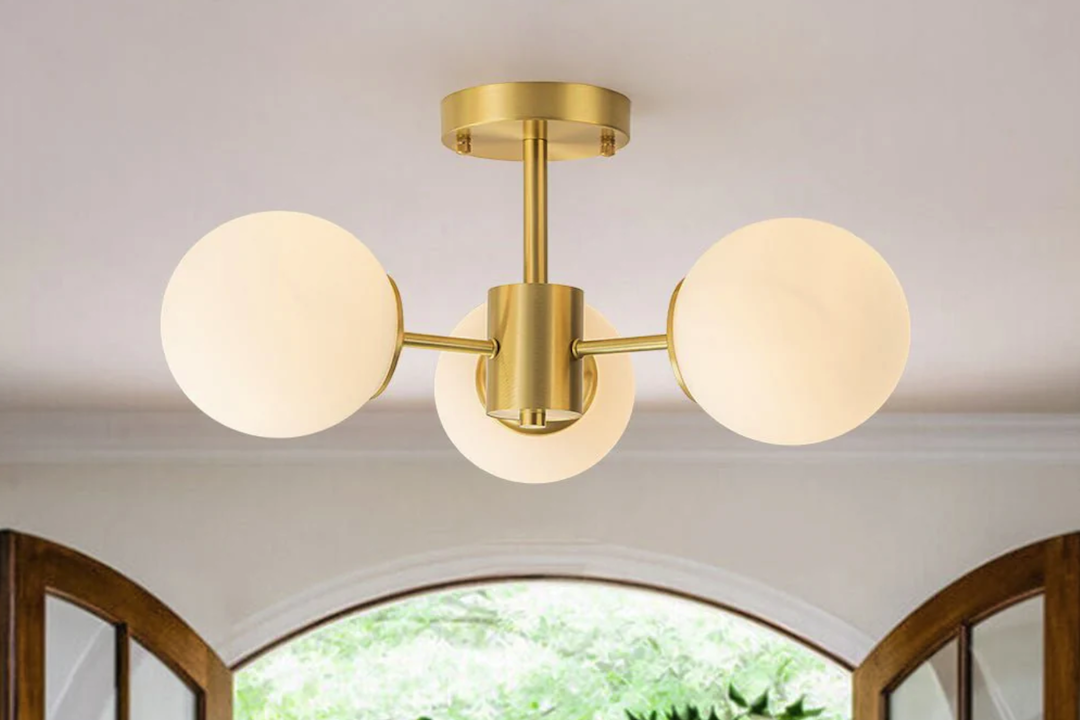
The combination of brass finishes with opal glass globes frequently appears in lighting design, a testament to its enduring aesthetic and functional qualities. This article explores the historical context, material properties, design principles, and contemporary applications of this classic pairing. By examining its evolution and technical merits, we aim to provide a comprehensive understanding of why this particular aesthetic continues to resonate across various design paradigms.
A Historical Perspective
The use of brass in decorative and functional objects dates back millennia, its malleability and corrosion resistance making it a favored material. Simultaneously, glass production, evolving from ancient techniques, eventually yielded opaline glass, a milky white material prized for its light-diffusing properties. The convergence of these two materials in lighting Simiglighting fixtures represents a pivotal development in interior illumination.
Early Innovations in Lighting
The 18th and 19th centuries witnessed significant advancements in lighting technology, moving from open flame sources to gas and then electric illumination. Brass, with its ability to be cast and machined into intricate forms, became a natural choice for gasoliers and early electric incandescent fixtures. The robust nature of brass ensured durability, while its inherent luster provided a decorative element.
The Rise of Opal Glass
Opaline glass, produced by introducing bone ash, tin oxide, or other opacifying agents into the glass melt, gained popularity in the 19th century. Its primary advantage in lighting was its ability to soften harsh artificial light. Unlike clear glass, which allowed undiffused light to pass through, opal glass dispersed light evenly, reducing glare and creating a more comfortable ambient glow. This characteristic was particularly valuable during the advent of brighter incandescent bulbs.
Art Deco and Mid-Century Modern Embrace
The Art Deco movement of the 1920s and 1930s frequently incorporated brass and opal glass. Designers appreciated the clean lines and geometric shapes that could be achieved with brass, often contrasting it with the soft, ethereal quality of opal glass globes. This aesthetic offered a sophisticated yet functional approach to lighting. Later, during the Mid-Century Modern period (roughly 1945-1975), the combination saw a resurgence. Simplicity, functionality, and a focus on natural materials characterized this era, and brass with opal glass fit seamlessly into this design ethos. The warm tone of brass complemented timber and other organic materials, while the diffused light from opal globes created an inviting atmosphere.
Material Properties and Characteristics
Understanding the intrinsic properties of brass and opal glass is crucial to appreciating their synergistic relationship in lighting design. Each material contributes distinct advantages.
Brass: A Versatile Alloy
Brass is an alloy primarily composed of copper and zinc. The proportion of these elements influences its color, hardness, and corrosion resistance.
Composition and Color
Typically, brass with a higher copper content exhibits a warmer, more reddish hue, while a higher zinc content results in a yellower, brighter appearance. The specific alloy chosen for lighting fixtures often takes into account both aesthetic preference and functional requirements, such as ease of machining or resistance to tarnishing.
Durability and Malleability
Brass is known for its excellent durability and resistance to corrosion, particularly in indoor environments. This longevity makes it a sustainable choice for lighting fixtures, as well-maintained brass components can last for decades. Its malleability allows for intricate casting, turning, and forming, enabling designers to create a wide range of shapes and decorative elements.
Finishes and Patina
Brass can be finished in various ways, from highly polished and lacquered surfaces that retain their bright luster, to brushed or antiqued finishes that offer a more muted or aged appearance. Over time, unlacquered brass will naturally develop a patina through oxidation, a process that can be either embraced for its rustic charm or periodically polished away to restore its original shine. This natural aging process adds character and depth to the material.
Opal Glass: Light Diffuser and Sculptural Element
Opal glass, also known as milk glass, is a translucent or opaque glass that scatters light effectively.
Light Diffusion
The primary function of opal glass in lighting is light diffusion. The opacifying agents within the glass scatter light rays in multiple directions, reducing the intensity of a direct light source. This scattering effect creates a soft, even glow, eliminating harsh shadows and bright spots, which contributes to visual comfort. Consider a direct light source as a sharp arrow; opal glass transforms that arrow’s point into a gentle cloud, enveloping the space rather than piercing it.
Aesthetic Qualities
Beyond its functional properties, opal glass contributes significantly to the aesthetic of a fixture. Its milky white appearance can range from a stark, pristine white to a warmer, creamy off-white depending on the specific composition and thickness. The smooth, often spherical or globular forms of opal glass globes offer a sense of purity and simplicity, acting as a clean canvas that complements the metallic warmth of brass.
Heat Resistance and Safety
Glass, by its very nature, is a non-combustible material. Opal glass used in lighting fixtures is designed to withstand the heat generated by incandescent or LED bulbs, ensuring safety and longevity. Its smooth, non-porous surface is also easy to clean, contributing to the overall maintenance of the fixture.
Design Principles and Aesthetic Integration
The success of brass and opal glass in lighting stems from its adherence to fundamental design principles. The materials work in concert, each enhancing the other’s qualities.
Contrast and Complement
The inherent contrast between the metallic luster of brass and the soft luminescence of opal glass is a key element of its appeal. Brass, a material of grounded warmth and structural integrity, provides a visual anchor. Opal glass, by contrast, offers a ethereal quality, seemingly floating while diffusing light. This interplay—grounded meets ethereal, warm meets cool (in terms of light output)—creates a balanced and engaging aesthetic. This combination avoids monotony, ensuring that the fixture remains visually interesting without being overly decorative.
Simplicity and Sophistication
The design often leans towards sculptural simplicity. Spherical or globular opal glass forms are frequently paired with minimalist brass arms or frames. This simplicity allows the inherent beauty of the materials to shine through, rather than relying on superfluous ornamentation. The result is a sophisticated appearance that can elevate various interior styles without dominating the space. It’s the difference between a loud declaration and a confident whisper.
Versatility Across Styles
One of the most compelling aspects of brass and opal glass lighting is its remarkable versatility. It seamlessly integrates into a broad spectrum of interior design styles.
Modern and Contemporary Interiors
In modern and contemporary settings, the clean lines and geometric forms of brass and opal glass fixtures align with minimalist aesthetics. The unadorned shapes and focus on functionality complement sleek furniture and uncluttered spaces. The warm glow of the opal glass can also soften the often stark palette of contemporary design.
Classic and Traditional Spaces
Despite its modern versatility, the combination also enriches classic and traditional interiors. The historical precedent of brass lighting, coupled with the understated elegance of opal glass, allows these fixtures to feel at home amongst antique furnishings, rich textiles, and intricate detailing. The brass can echo existing metallic elements, while the opal globes provide a timeless light source.
Transitional and Eclectic Designs
For transitional spaces that blend elements of both traditional and modern, brass and opal glass fixtures act as a bridge, offering a familiar yet fresh aesthetic. In eclectic designs, the timeless quality of these pieces can serve as a grounding element amidst a diverse collection of objects and styles, preventing the space from feeling chaotic.
Contemporary Applications and Trends
While rooted in historical design, the brass and opal glass aesthetic continues to evolve, finding new expressions in contemporary lighting design.
Beyond the Globe: Evolving Forms
While spherical globes remain a staple, designers are experimenting with various forms of opal glass. Elongated ovoids, flattened discs, and even more angular shapes are being paired with brass, creating fresh interpretations of the classic combination. These new forms retain the light-diffusing properties while offering a more diverse visual language.
Mixed Finishes and Materials
Contemporary trends often involve mixing materials and finishes. Brass, while prominent, is sometimes seen alongside other metals like matte black, brushed nickel, or even polished chrome. Similarly, while opal glass is central, it occasionally coexists with other types of glass (e.g., reeded or clear glass as accents) or other materials in an overarching fixture design. This experimentation adds layers of visual texture and complexity.
LED Integration
The advent of LED technology has further enhanced the functionality and design possibilities of brass and opal glass fixtures. LEDs are more energy-efficient, offer longer lifespans, and generate less heat, which allows for more compact designs and greater flexibility in globe sizes and arrangements. The quality of LED light can also be precisely controlled for warmth and brightness, further optimizing the diffused glow from opal glass.
Smart Lighting Compatibility
Many contemporary brass and opal glass fixtures are now designed to be compatible with smart home systems. This integration allows for remote control, dimming capabilities, and even color temperature adjustments, enhancing both convenience and the user’s ability to tailor the lighting to specific moods or tasks.
The Return of Unlacquered Brass
A notable trend is the embrace of unlacquered brass, allowing it to develop a natural patina over time. This approach celebrates the living quality of the material, moving away from the perfectly pristine look towards a more authentic and aged aesthetic, often favored in spaces that value natural textures and an organic feel.
Maintenance and Longevity
The inherent durability of brass and glass contributes to the longevity of these fixtures, but proper care is essential to maintain their appearance and functionality.
Cleaning Brass Components
For lacquered brass, a soft, damp cloth is usually sufficient to remove dust and light grime. Avoid abrasive cleaners, which can damage the lacquer. For unlacquered brass, periodic polishing with a brass cleaner can restore its shine. Alternatively, you can allow a natural patina to develop, requiring only dusting. The choice between polished and patinated brass is a personal preference, a reflection of how you wish the fixture to age alongside your space.
Cleaning Opal Glass Globes
Opal glass globes can be cleaned with a mild glass cleaner or soapy water and a soft cloth. Ensure the globes are completely dry before reattaching them to the fixture to prevent water streaks. Gentle handling is always recommended, as even durable glass can be susceptible to impacts.
Routine Inspections
Periodically inspect the wiring, connections, and mounting hardware for any signs of wear or loosening. For any electrical concerns, a qualified electrician should be consulted to ensure safety and proper functionality. Consistent care ensures that these fixtures remain not just functional light sources but also beautiful elements within your interior.
The enduring appeal of brass finish with opal glass globes transcends fleeting trends. It is a combination rooted in practical material properties, refined through historical design movements, and continuously reinterpreted in contemporary applications. The warm, metallic structure of brass provides a grounding elegance, while the soft, diffused light from opal glass globes creates an inviting and comfortable atmosphere. This synergy of form and function establishes these fixtures as more than mere light sources; they are sculptural elements that contribute significantly to the character and mood of a space. As you consider lighting your own environment, remember that some partnerships, like that of brass and opal glass, are simply built to last, offering a reliable beacon of balanced design.