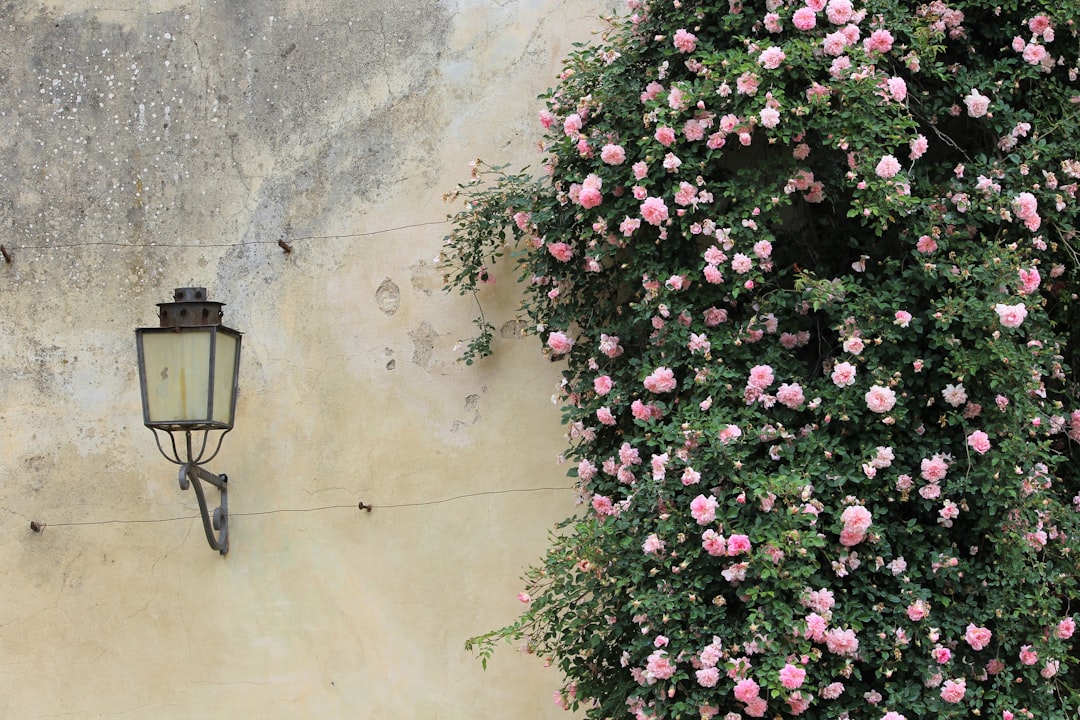
Medieval flower wall lamps combine decorative and functional elements, incorporating design motifs from the Middle Ages period. These lighting fixtures feature floral patterns that reflect the botanical themes commonly found in medieval art and architecture. The designs typically draw from historical decorative traditions where natural elements, particularly flowers, held symbolic and aesthetic significance in medieval society.
These wall-mounted lighting fixtures are characterized by their handcrafted construction methods, which often employ traditional metalworking and glassworking techniques. The manufacturing process typically involves skilled artisans who use methods such as hand-forging, etching, and glass cutting to create detailed floral motifs. Common materials include wrought iron, brass, bronze, and colored glass, which are shaped and assembled to form the lamp’s structure and decorative elements.
The historical context of these lamps stems from medieval lighting practices, where wall-mounted fixtures served practical purposes in castles, monasteries, and wealthy households. Modern reproductions adapt these historical designs for contemporary electrical systems while maintaining the aesthetic characteristics of period lighting. The floral motifs often incorporate roses, lilies, vines, and leaves, which were prevalent symbols in medieval decorative arts representing various religious and secular meanings.
History of Medieval Flower Wall Lamps
The origins of medieval flower wall lamps can be traced back to the early Middle Ages, a period characterized by the rise of feudalism and the flourishing of the arts. During this time, illumination was primarily provided by candles and oil lamps, which were often housed in decorative fixtures. The use of floral motifs in these fixtures can be linked to the broader artistic movements of the era, where nature was frequently depicted in various forms of art, including sculpture, painting, and metalwork.
As the Gothic style emerged in the 12th century, so too did more elaborate designs for wall lamps. These lamps often featured intricate ironwork and glass elements, with flowers symbolizing purity and beauty. The craftsmanship involved in creating these pieces was significant; artisans would spend countless hours forging metal and shaping glass to create stunning works of art that served both practical and aesthetic purposes.
By the late Middle Ages, flower wall lamps had become a staple in castles and churches, illuminating sacred spaces and grand halls alike.
Design and Features of the Medieval Flower Wall Lamp
The design of medieval flower wall lamps is characterized by a harmonious blend of form and function. Typically crafted from wrought iron or brass, these lamps often feature ornate floral designs that reflect the natural world. The use of flowers in the design is not merely decorative; it carries symbolic meanings that resonate with themes of love, life, and spirituality.
Common motifs include roses, lilies, and ivy, each chosen for their historical significance and aesthetic appeal. In terms of features, many medieval flower wall lamps incorporate glass shades or panels that diffuse light softly, creating a warm glow that enhances the ambiance of any room. Some designs may include candle holders or electric fittings, allowing for versatility in how they are used.
The craftsmanship is evident in the details; for instance, hand-forged elements may showcase intricate scrollwork or leaf patterns that add depth and texture to the overall design. This attention to detail not only elevates the lamp’s aesthetic but also speaks to the quality and durability of the piece.
How to Incorporate the Medieval Flower Wall Lamp into Your Home Decor
Incorporating a medieval flower wall lamp into your home decor can be an exciting endeavor that allows you to express your personal style while embracing historical elegance. One effective approach is to place these lamps in areas where they can serve as focal points. For example, positioning a lamp above a fireplace or on either side of a mirror can create a dramatic effect that draws the eye and enhances the overall design of the space.
Additionally, consider pairing medieval flower wall lamps with complementary decor elements. Rustic wooden furniture or stone accents can enhance the medieval aesthetic, while rich fabrics such as velvet or brocade can add a touch of luxury. In a dining room setting, these lamps can be used to create an intimate atmosphere during meals, casting a soft light that encourages conversation and connection.
By thoughtfully integrating these lamps into your decor scheme, you can create a cohesive look that celebrates both history and modernity.
Benefits of Using a Medieval Flower Wall Lamp
The benefits of using medieval flower wall lamps extend beyond their aesthetic appeal; they also offer practical advantages that enhance living spaces. One significant benefit is their ability to provide ambient lighting. Unlike harsh overhead lights, wall lamps create a softer glow that can make a room feel more inviting and comfortable.
This is particularly beneficial in spaces where relaxation is key, such as bedrooms or reading nooks. Moreover, medieval flower wall lamps can serve as conversation starters due to their unique designs and historical significance. Guests are often intrigued by the stories behind such pieces, making them an excellent addition to social spaces where interaction is encouraged.
Additionally, their handcrafted nature means that each lamp carries its own story and character, adding depth to your home’s narrative. The combination of functionality and artistry makes these lamps not just sources of light but also integral components of your home’s decor.
Maintenance and Care of the Medieval Flower Wall Lamp
Maintaining a medieval flower wall lamp requires attention to detail to ensure its longevity and continued beauty. Regular dusting is essential; using a soft cloth can help prevent dust buildup on both the metalwork and glass components. For more thorough cleaning, especially if the lamp has accumulated grime over time, a gentle solution of warm water and mild soap can be used.
It’s important to avoid harsh chemicals that could damage the finish or patina of the metal. If your lamp uses candles, ensure that you replace them regularly to avoid wax buildup that can detract from its appearance. For electric models, check the wiring periodically for any signs of wear or damage.
If you notice any issues with the electrical components, it’s advisable to consult a professional electrician to ensure safety. By taking these simple maintenance steps, you can preserve the beauty and functionality of your medieval flower wall lamp for years to come.
Where to Purchase a Medieval Flower Wall Lamp
Finding a medieval flower wall lamp can be an enjoyable quest for those who appreciate historical decor. Numerous avenues exist for purchasing these unique pieces. Antique shops often carry authentic medieval-style lamps or vintage reproductions that capture the essence of the era.
Visiting local artisan markets can also yield beautiful handcrafted options made by skilled craftsmen who specialize in traditional techniques. Online marketplaces provide another convenient option for sourcing medieval flower wall lamps. Websites dedicated to home decor or vintage items often feature a wide range of styles and price points.
When purchasing online, it’s crucial to read reviews and check seller ratings to ensure quality and authenticity. Additionally, many specialty lighting stores offer custom options where you can select specific designs or finishes tailored to your preferences.
Enhancing Your Home with a Medieval Flower Wall Lamp
Incorporating a medieval flower wall lamp into your home decor not only enhances the aesthetic appeal but also infuses your space with historical significance and charm. These lamps serve as functional art pieces that illuminate while telling stories of craftsmanship from centuries past. Whether you choose to place them in a cozy reading corner or as statement pieces in your living room, their presence adds warmth and character.
As you explore options for integrating these exquisite lamps into your home, consider how they reflect your personal style while honoring traditional artistry. With proper care and maintenance, a medieval flower wall lamp can become a cherished part of your home for generations to come, bridging the gap between past and present in an elegant dance of light and design.